As we approach International Women’s Day on 8th March, it’s a time to celebrate the courage, resilience, and achievements of women everywhere, and to highlight the challenges they overcome every day.
Pregnancy can be a time of joy, hope, and anticipation, but it can also bring uncertainty and risk, especially when women lack information about danger signs and timely care. Across Uganda, Kenya, Zimbabwe, Zambia, and Malawi, the Mother and Baby Programme is helping families navigate these challenges, providing essential knowledge on maternal and child health.
The programme promotes early and regular antenatal care (ANC), skilled health facility deliveries, immunisation, proper nutrition, exclusive breastfeeding, and informed decision-making. Through community education and home visits, women are gaining the confidence to protect their own health and that of their children.
One of the women whose life has been transformed by the programme is Beatrice, a 19-year-old from Zambia.
“In October 2025, something happened that changed the way I think about pregnancy and my own life,” she says. “During my six months, I started to notice unusual swelling on my feet and hands. At first, I did not worry too much. I thought swelling was normal during pregnancy. But after some days, I also started having a strong headache that would not go away, and I often felt dizzy and weak. I was scared. But I didn’t know if it was serious or not.”
Before joining the Mother and Baby Programme, Beatrice did not know much about danger signs in pregnancy. She had missed some antenatal clinic visits because the clinic was far, and she believed she should only go when she felt very sick.
“I thought swelling was just part of being pregnant. I didn’t know it could be dangerous,” she recalls.
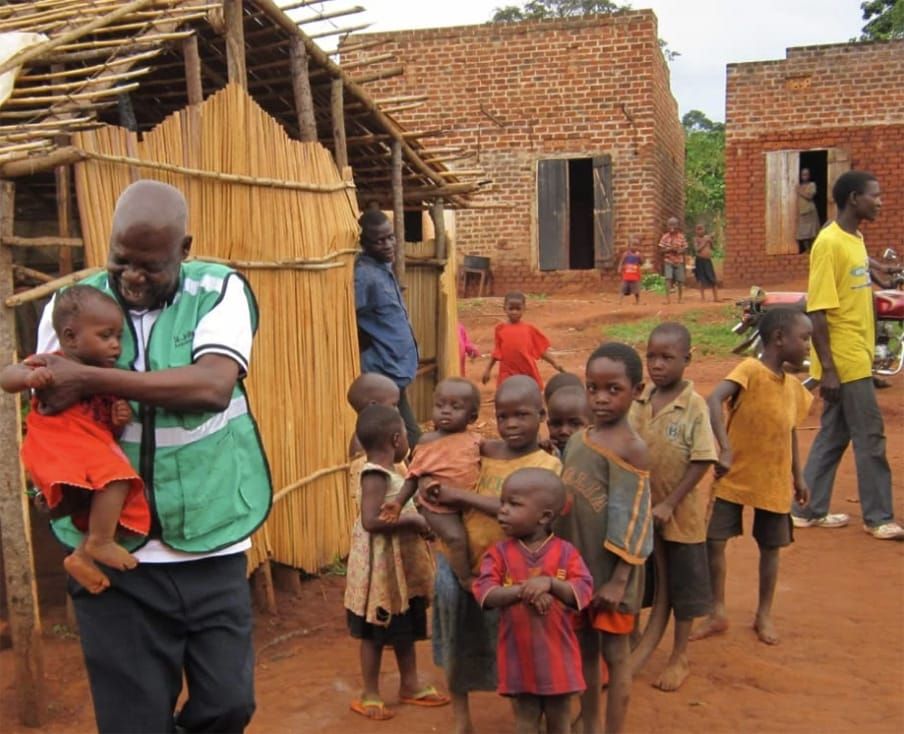
Everything changed when a Safe Motherhood Action Group (SMAG) volunteer visited her at home. SMAG volunteers are trained community health workers who educate pregnant women about maternal and child health, identify danger signs, and encourage women to seek care early. The volunteer spoke to Beatrice calmly and explained the danger signs in pregnancy, including severe headaches, swelling of the face and hands, blurred vision, bleeding, and dizziness.
“She told me clearly that these signs are serious and that a pregnant woman should go to the clinic immediately if she experiences them. She looked at me and said, ‘If you see these signs, don’t wait at home. Go to the clinic straight away.’”
A few days later, Beatrice’s condition worsened. Her headache became very painful, and her hands and face were badly swollen. This time, she acted immediately.
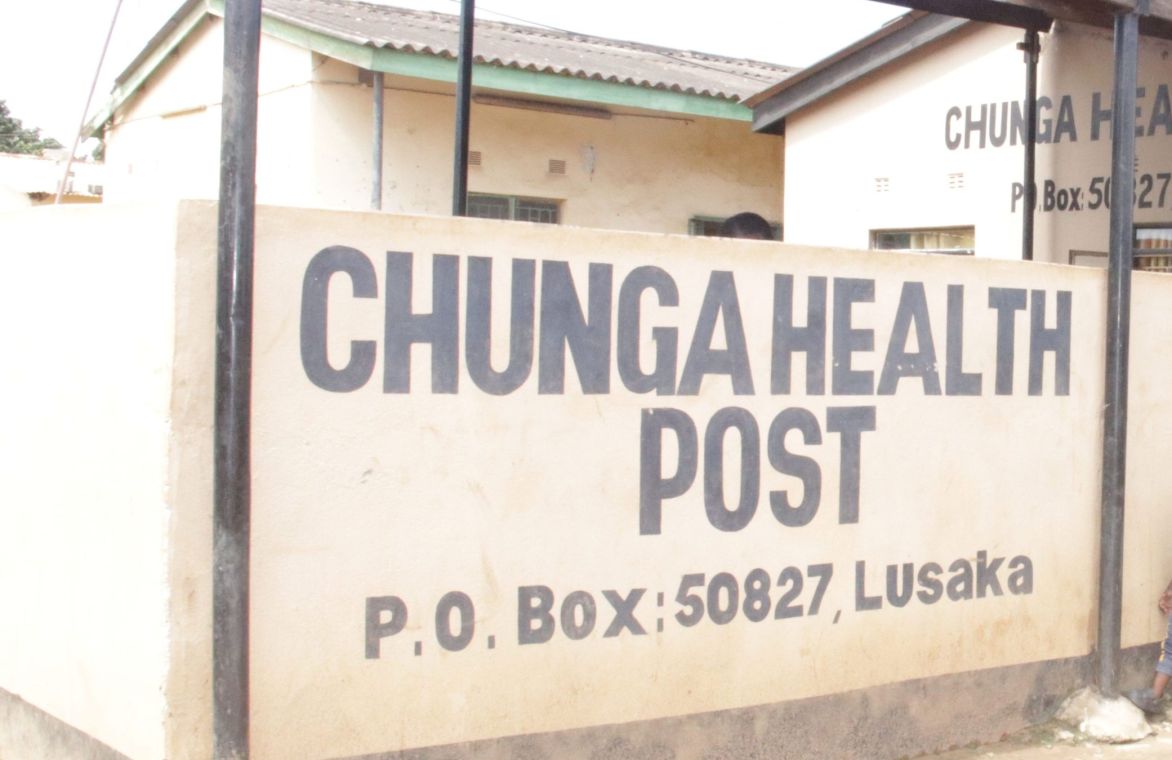
“I told myself; they said this is a danger sign. I must go to the clinic now. I went to the health centre the same day. The nurse checked me and told me that my blood pressure was very high. I was given treatment and closely monitored. The nurse explained that if I had delayed, both my life and my baby’s life could have been in danger. You came at the right time. That gave me relief.”
Following that experience, Beatrice attended all her remaining antenatal visits. The SMAG volunteers continued visiting her at home, encouraging her to rest, eat well, prepare for delivery, and continue watching for any danger signs.
“They did not forget about me. They kept checking on me and encouraging me,” she says. When the time for delivery came, Beatrice went to the health facility early. She delivered safely under the care of skilled health workers. Both she and her baby were healthy.
“If I had stayed at home, things could have been very bad. Going to the clinic early saved my life and my baby’s life,” she says. “By listening to health advice and acting quickly, I was able to protect my own life and that of my baby.”
Today, Beatrice feels confident, strong, and thankful. She now shares what she learned with other pregnant women in her community.
“I tell them not to ignore danger signs and not to wait at home. I am alive because I listened. Now I tell other women: if you see a danger sign, don’t wait. Go to the clinic. Through the Mother and Baby Programme, I learned to recognise danger signs in pregnancy and gained the confidence to seek care early. The home visits, health messages, and continued follow-up by SMAG volunteers helped me make the right decision at the right time.”
Beatrice’s story demonstrates the life-saving impact of the Mother and Baby Programme and shows how knowledge, guidance, and timely action can transform outcomes for mothers and babies. Her experience also reflects the findings of our research on early antenatal care in Malawi, Zambia, and Uganda, which explored why many women miss care during the first 12 weeks of pregnancy and how interventions like the Mother and Baby Programme can improve access and outcomes. You can read the report here.
Throughout this week, we invite you to follow our series as we continue sharing more stories of inspiration and empowerment, highlighting the impact of the Mother and Baby Programme.