‘Nerth gwlad, ei gwybodaeth’ is a traditional Welsh proverb, which, translated means, ‘The strength of a nation is its knowledge’. It highlights how vitally important education, wisdom, and learning are within a society. It suggests that a country’s true power does not come from physical size, wealth, or military might, but rather from the intellect, skills, and wisdom of its people.
And that proverb finds a living expression in the mission of the Order of St John and its crucial work forming and equipping each generation through training and education in health care and first aid, within our diverse family of Priories, Commandries, Associations globally, and of course, through the sterling work of our Eye Hospital in Jerusalem, several of which are represented here today; and it is especially wonderful to welcome among us the second cohort of the St John Global Leadership Programme. So, I’m absolutely delighted to be here this afternoon to celebrate St John’s Day with you, thank you for your kind invitation and welcome. I bring warm greetings and good wishes from the Welsh branch of the St John family.
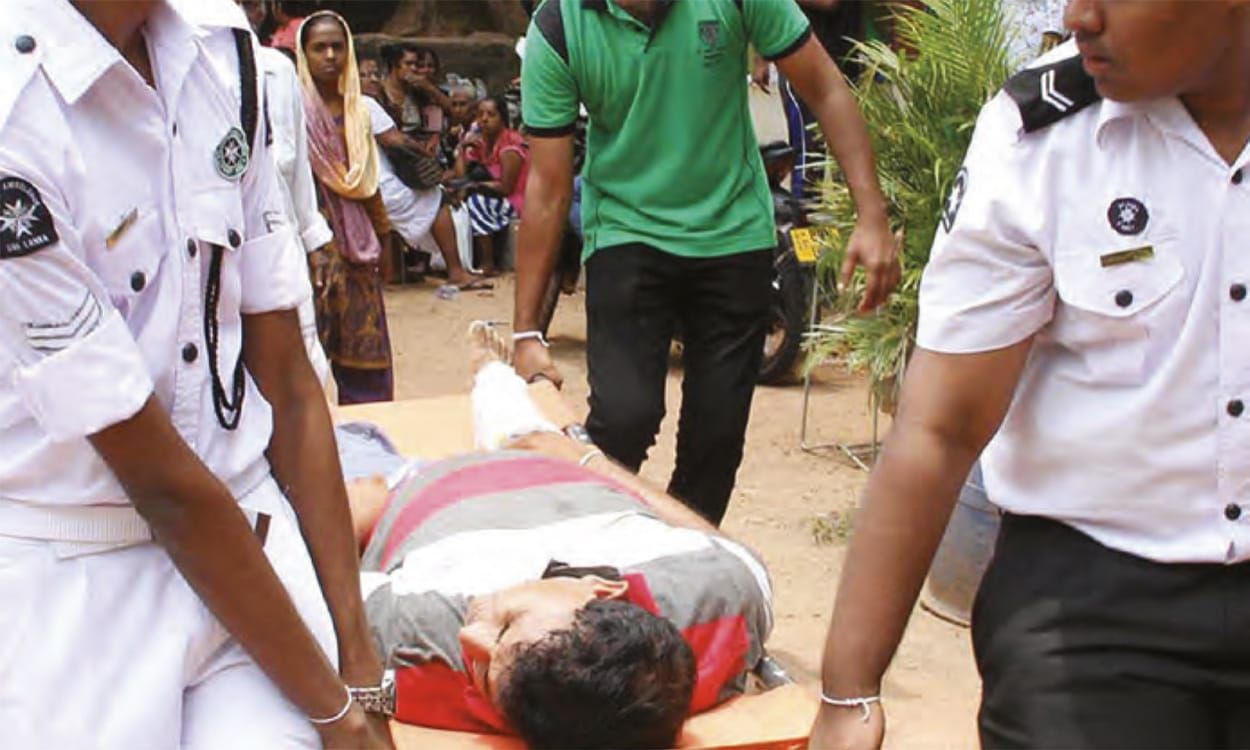
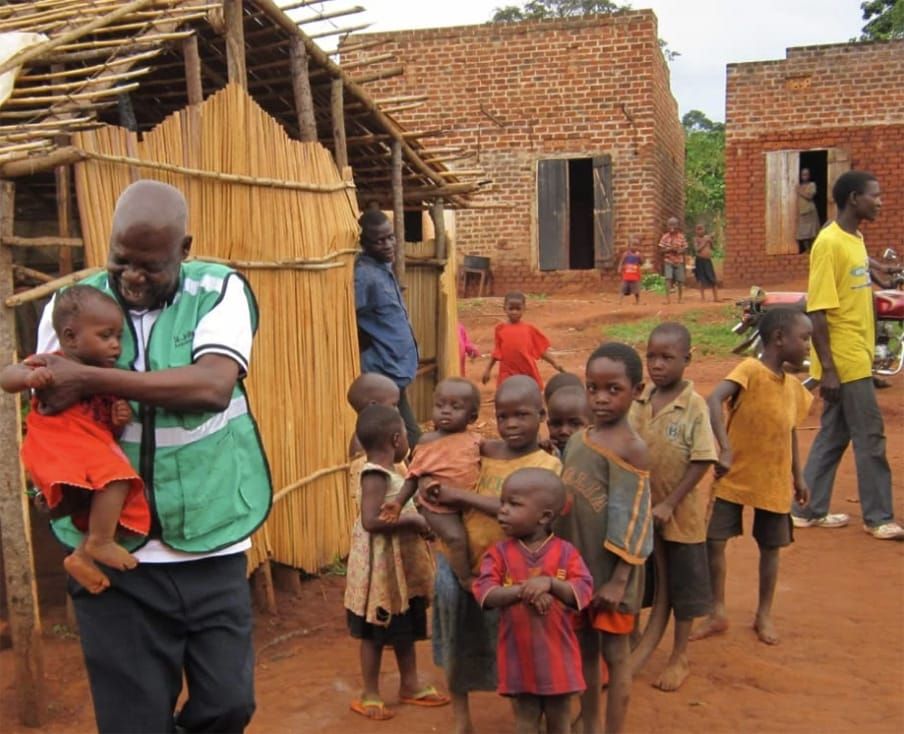
‘See, I am sending my messenger ahead of you, who will prepare your way’ foretells the prophet Isaiah in those opening verses of the gospel according to Mark, speaking, of course, of John the Baptiser, the forerunner of Christ. An example of preparedness and recognised as one who was both alert and responsive to the workings and promptings of God, John the Baptist serves as a fitting patron of an Order which has ‘being prepared’ at its very heart, and that is always alert and ready to respond to the needs of others, through the various charitable and humanitarian services we provide across the globe.
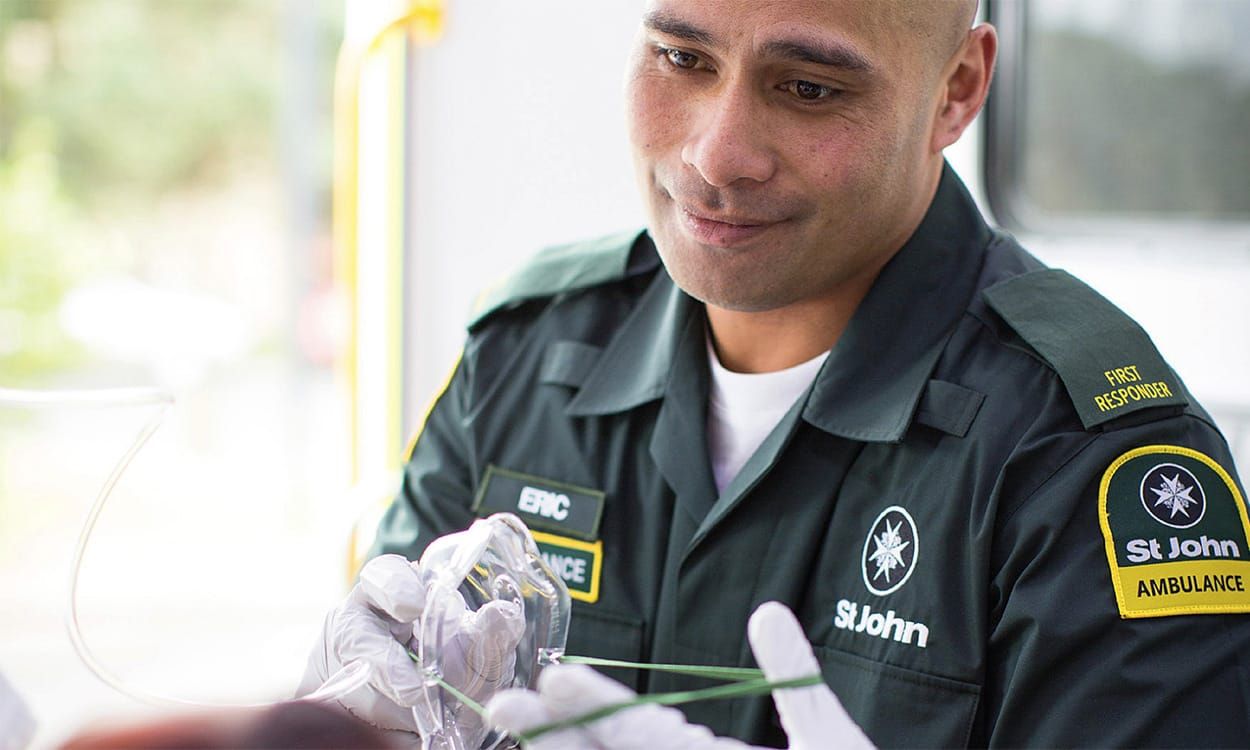
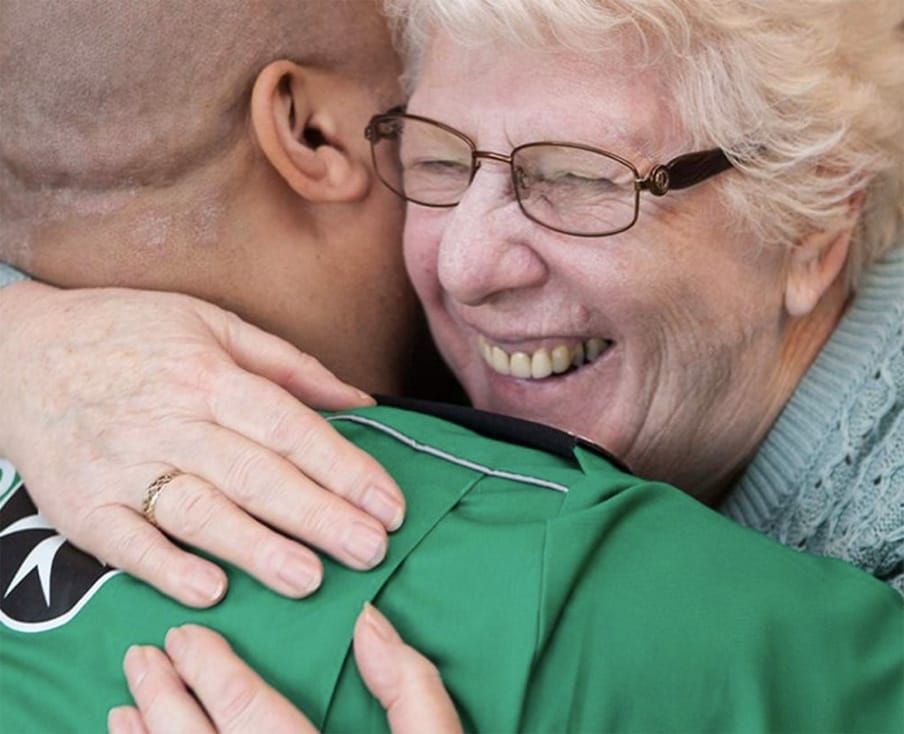
John the Baptist’s concern was not with his own reputation or prominence, but principally with the preparation of others to recognise and receive Jesus, pointing beyond himself to something, or someone rather, greater than himself. The work of our Order has embodied that same spirit. Its purpose is not one of self-interest, but one motivated by the empowerment of others and the betterment of society – we are helping to build something greater than ourselves for the benefit of all. Whether it is through the calm and reassuring voice of a first responder when an individual has collapsed at an event, the first aid trainer who gave someone the skills to save a life, or the Cadet leader who helped a young person discover their worth, with confidence and a sense of purpose.
The creation of the St John Ambulance Association in 1877 was a foundational moment in the long and distinguished history of our Order. Its formation was in response to the growing need to provide medical assistance and first aid training to those who worked in high-risk environments, especially on the railways, in mines and factories, where the rates of mortality, disability, and injury were high and medical care unaffordable for most, during the rapid industrialisation of the late 19th Century.
The founding principles of tending to the needs of the sick and most vulnerable and teaching life saving skills are a legacy that continue within our mission today, 149 years on, and as we prepare to celebrate 150 years since the St John Ambulance Association was established, we have an opportunity to give thanks for the many and varied ways St John has been a reassuring presence in communities across the country, providing life-saving training, equipment and assistance in society, and a life-giving sense of belonging, service and value to those who join our community as staff and volunteers.
As this significant milestone approaches in 2027, it will be an opportunity to take stock of all that has been and all that can and will be. The modern Order was resurrected in these islands with the same principles established centuries before by the founder of the 11th Century Hospital of St John in Jerusalem, the Blessed Gerard, who knew that Christian faith must be the springboard for loving action and works of charity, and who modelled a pattern of service to ‘Our Lord’s the sick and the poor’, with the principle of caring for them as though he were caring for Christ himself – that is, to tend to them with the highest possible dignity and respect.
The Blessed Gerard’s understanding of the inextricable connection between faith and service is articulated beautifully in our first lesson this afternoon, again, words from the book of the prophet Isaiah: ‘Is not this the fast that I choose: to loose the bonds of injustice, to undo the thongs of the yoke, to let the oppressed go free, and to break every yoke? Is it not to share your bread with the hungry, and bring the homeless poor into your house; when you see the naked, to cover them, and not to hide yourself from your own kin?
In these verses, Isaiah conveys divine instruction in response to the frustration of the Israelites who questioned why God wasn’t answering their prayers despite their rigorous fasting. God highlights their hypocrisy in keeping hollow religious practices which were self-serving and neglectful of others, shifting the focus from empty rituals, to acts of justice, mercy and charity. Essentially, the passage teaches that authentic faith cannot be divorced from seeking justice for the oppressed, feeding the hungry, sheltering the poor, and caring for the sick.
The second half of the lesson speaks of the fruit of good works ending with these words: ‘Your ancient ruins shall be rebuilt; you shall raise up the foundations of many generations; you shall be called the repairer of the breach, the restorer of streets to live in.’
The work of our Order has been rebuilt and restored on the ancient foundations, vision, principles and values laid down by those who have gone before us, and as we look forward, we do so with renewed determination to be repairers of the breach and restorers of the streets, to paraphrase the prophet Isaiah. This work continues today in the new three-year strategy for St John England, an ambitious plan to amplify your purpose, to set the standard and unlock potential.
Teaching more people to help in an emergency, delivering expert first aid care, investing in people, systems, and partnerships. Maintaining discipline and focus in core services and making a greater impact. Put simply, it is essentially to do more of ‘what we do best’, as the Prior and CEO remind us in their opening introduction.
So, may God give you grace to bring the strategy to fruition, to continue to build on ancient foundations, empowering individuals and communities; and inspired by the life and example of St John the Baptist, may we always point to something far greater than ourselves through selflessness and loving service:
Pro Fide Pro Utilitate Hominum – For the Faith and in the Service of Humanity.