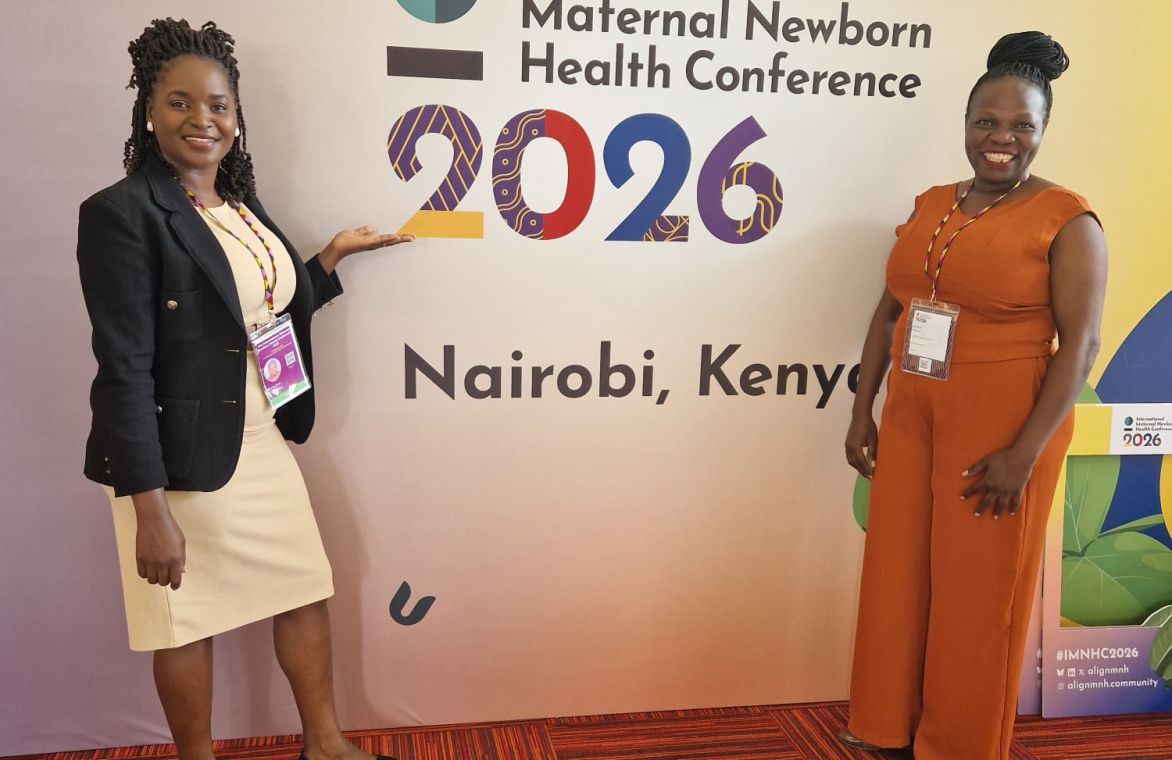
Sylvia Chopamba, Programme Manager, shares her insights from a recent trip to Kenya for the International Maternal Newborn Health Conference (IMNHC) 2026. From visiting the Mother and Baby programme on the ground to engaging in global discussions on maternal and newborn care, Sylvia reflects on the impact of local action, the challenges and opportunities at a global level, and the importance of translating knowledge into tangible results.
My recent trip to Kenya for IMNHC 2026 was more than attending a conference, it was a powerful reminder of why we do this work, who we do it for, and what it will take to move forward.
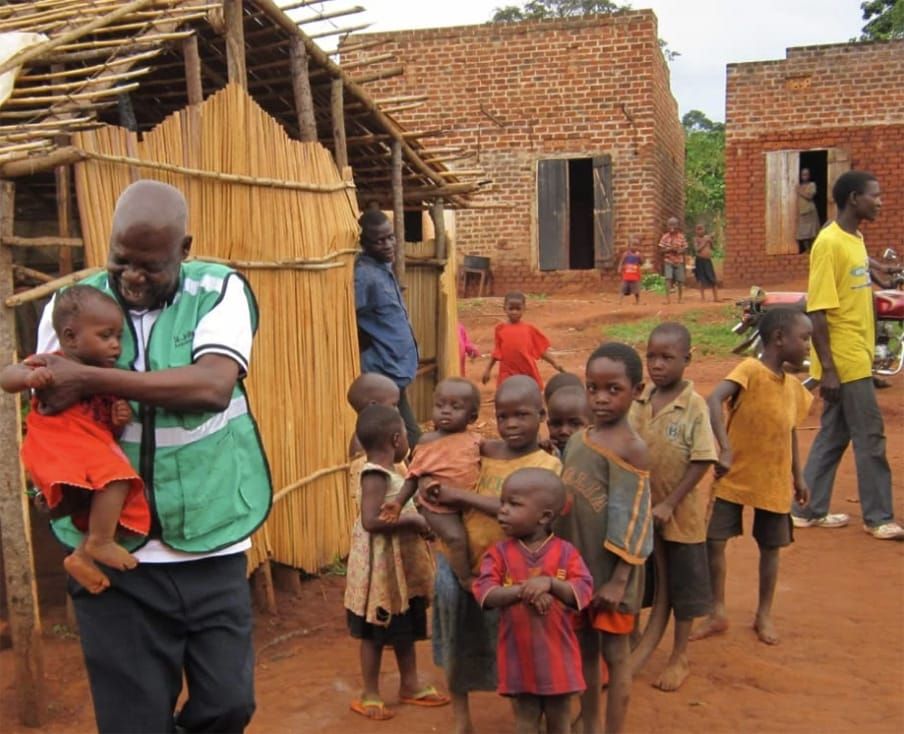
The trip began with time spent with St John Kenya and colleagues from across the Mother and Baby (M&B) team representing Uganda, Malawi, Zambia, and Zimbabwe. Before the conference even began, we visited the St John Kenya M&B programme catchment area, seeing the work on the ground was a grounding experience and set the tone for everything that followed.
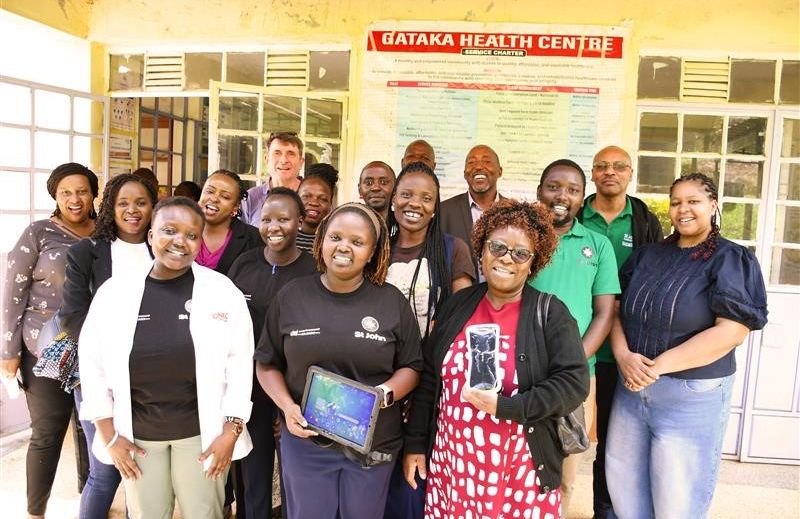
We started at the St John Kenya offices and quickly moved into the field in Ongata Rongai Sub-County, where we met a dedicated medical team making a real difference in maternal and newborn health.
A moment that stayed with me was hearing from Midwife Pauline, who told us how the programme increased antenatal care (ANC) visits among women aged 20–25 from just 21 per month to 79. This wasn’t just a statistic, it showed me the impact of intentional, community-driven programming.
We also joined a volunteer monthly meeting, where programme performance was openly reviewed. The collaboration was inspiring: volunteers and visiting teams exchanged ideas, challenged each other, and found practical ways to improve follow-up for pregnant women. Many of the challenges were shared across countries, which reminded me how important cross-country learning and collective problem-solving are.
The day ended at Gataka Health Centre, where a portable scanner donated by St John Kenya is already helping increase ANC uptake and enabling earlier detection of complications. It was a clear example of how the right tools, in the right hands, can make a real difference.
It was a powerful start, grounded in data, driven by community, and powered by collaboration.
Video
Watch this video highlighting field experiences in Kenya, showcasing community programmes and frontline work in maternal and newborn health, with brief references to IMNHC 2026.
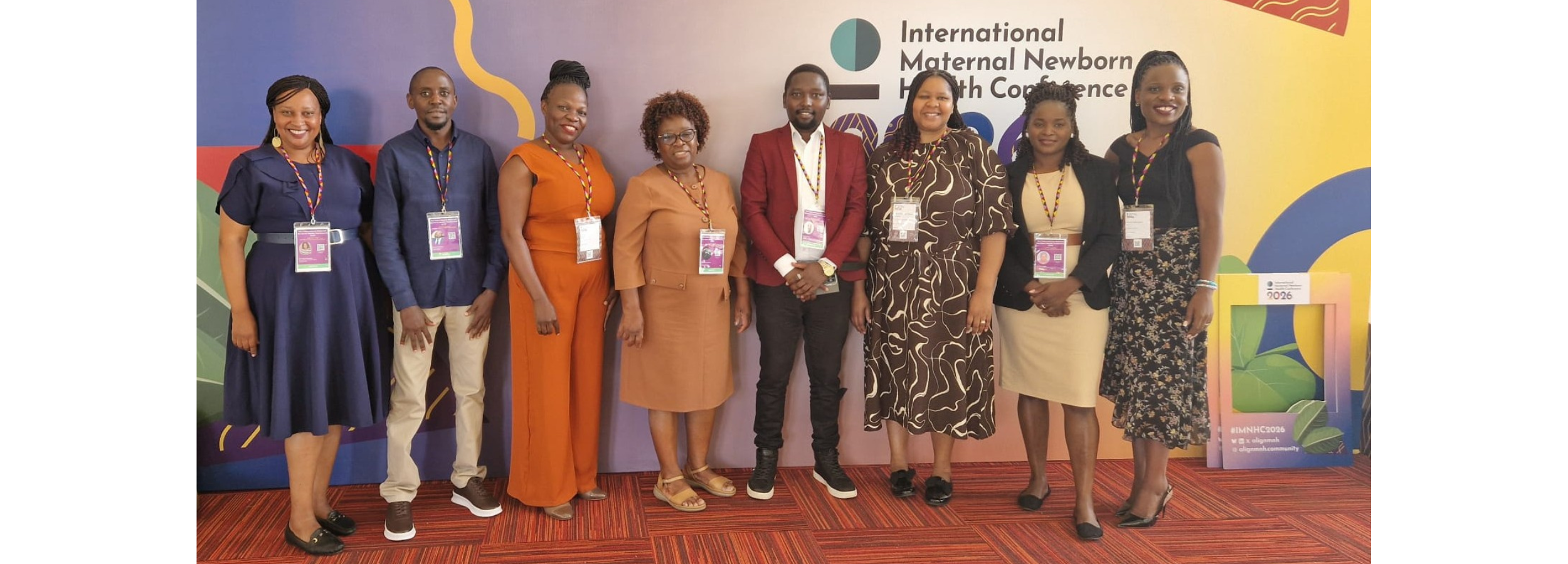
The IMNCH conference itself is a major global event focused on improving the health and wellbeing of mothers, newborns, and children. It brings together governments, NGOs, healthcare professionals, and researchers to share experiences and tackle challenges like access to care, health inequalities, and reducing mortality. This year, St John was represented by eight M&B team members from Kenya, Uganda, Malawi, Zambia, Zimbabwe, and St John International.
As the conference opened in Nairobi, the tone shifted from local impact to global urgency. One message that became clear is that progress for mothers and newborns is not happening quickly enough, and that the challenges are becoming increasingly complex.
The SDG targets for 2030 are ambitious but necessary: fewer than 70 maternal deaths per 100,000 live births, 12 or fewer newborn deaths per 1,000 live births, and 12 or fewer stillbirths per 1,000 births. Progress has slowed since 2016, with newborn survival improving more slowly than child survival, and many countries off track to meet these goals. These statistics are sobering, but they also show why community-level work is so important.
While countries like Kenya, Uganda, Malawi, Zambia, and Zimbabwe have made progress, most are still off track for SDG 3 targets by 2030. For example, Kenya’s maternal mortality is around 342 deaths per 100,000 live births well above the target of fewer than 70 which highlights how much more work is needed.
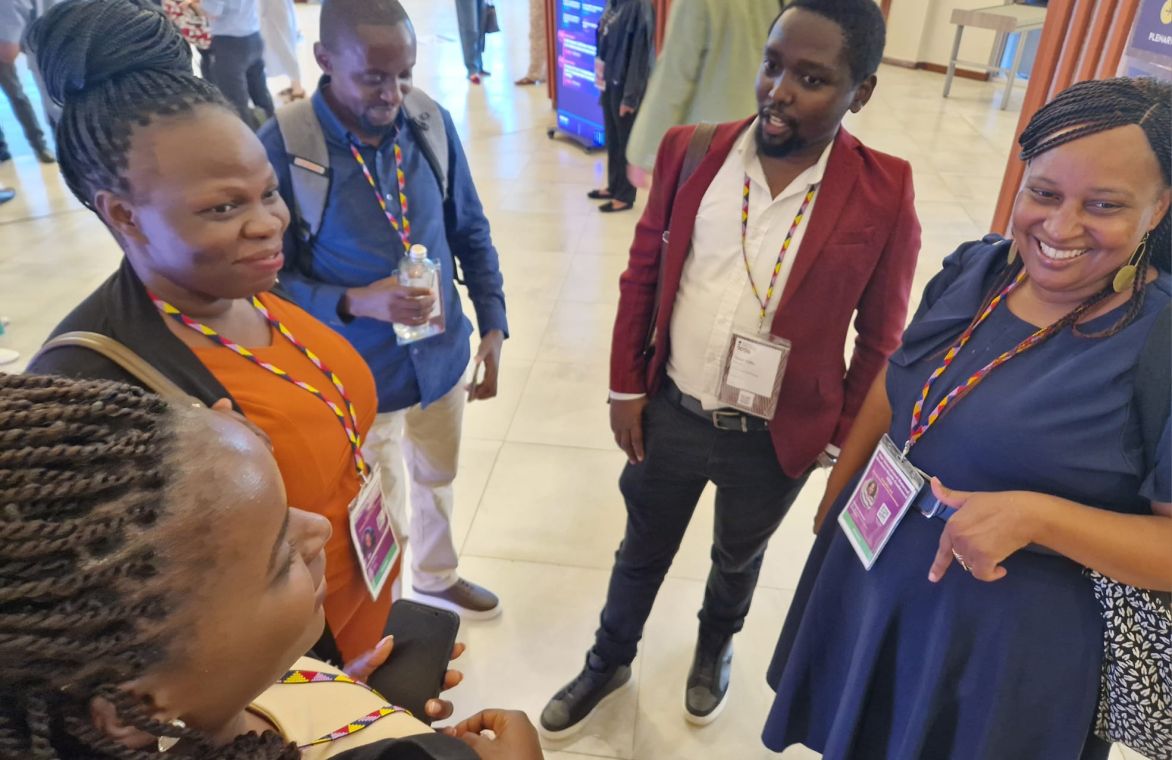
The conference focus was on implementation: what works, how to scale it, and how to sustain it. Discussions covered strengthening health systems, improving quality of care, and ensuring accountability. There was also a strong focus on turning global policies into practical, frontline action through integrated care linking community, facilities, and referral systems.
One session I attended “From policy to practice: Antenatal and beyond” closely reflected the work of the St John M&B Programme. It highlighted consistent barriers to antenatal care across regions: late initiation of ANC, low completion of the recommended eight contacts, and cultural, financial, and informational barriers.
The encouraging part is that the solutions are also clear: strengthening community health engagement through volunteers, promoting male involvement, supporting birth preparedness at the household level, and addressing misinformation and financial barriers. These are approaches we are already implementing and refining in the M&B Programme. Seeing the alignment between evidence and practice was both validating and motivating.
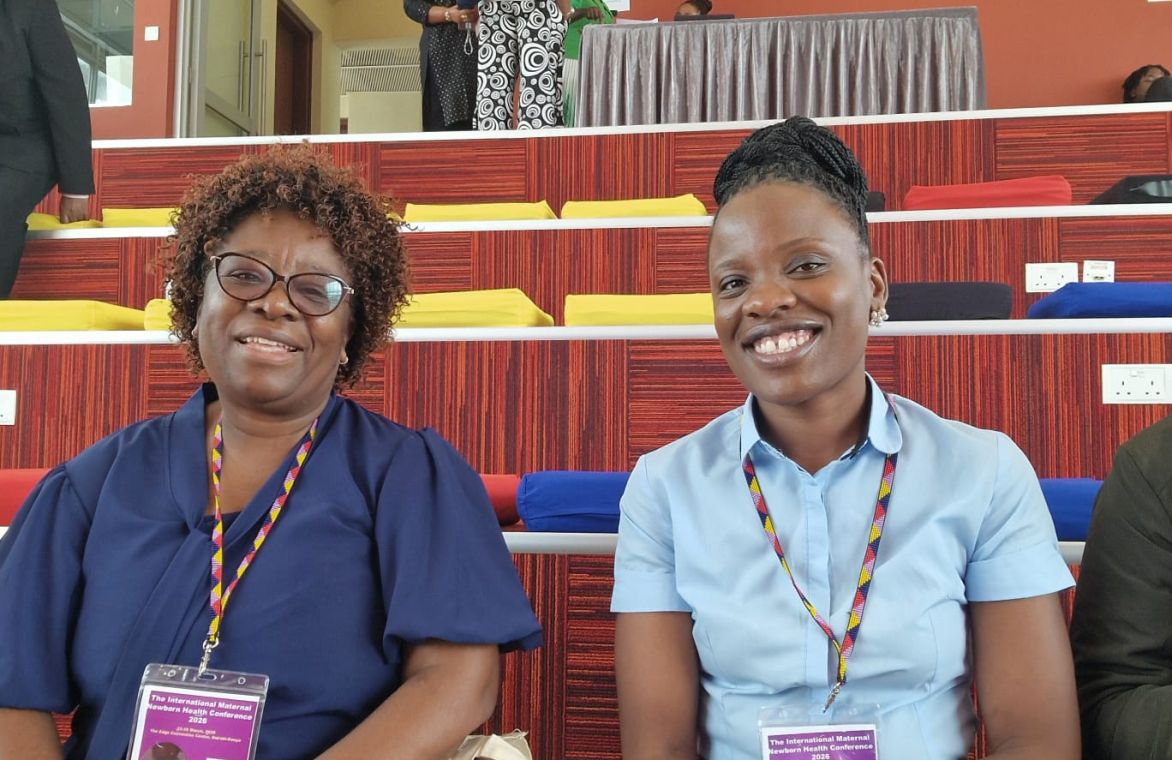
Day four marked the close of IMNHC 2026, but more importantly, it signalled the beginning of what comes next. Over the course of the conference, I engaged in meaningful conversations, shared insights, and connected with colleagues and partners who are equally committed to improving maternal, newborn, and child health. Many started as strangers but left as collaborators, united by a shared purpose.
The final message was clear: knowledge must be translated into action. The real work begins now, applying lessons learned, scaling what works, strengthening partnerships, and ensuring accountability through data. IMNHC 2026 was not just a conference, it was a vehicle for change.
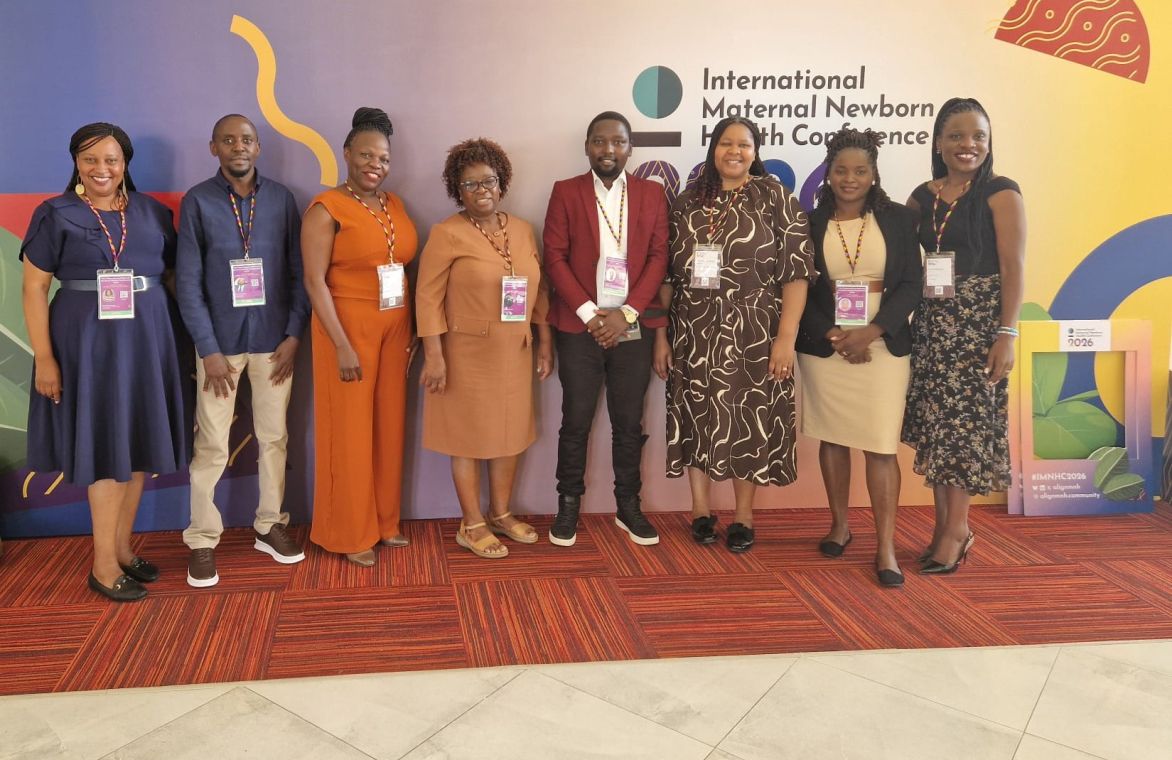
Reflecting on the journey from community visits in Kenya to global discussions at the conference, it is clear that progress depends on both local action and global alignment. There is much to take home, particularly around data-driven decision-making, evidence-based programming, and the power of partnerships. At the same time, the experience highlighted areas where we can strengthen our own approaches.
I am especially encouraged by the strong representation from across the M&B team and look forward to continuing these conversations within our community of practice and through new partnerships formed. Ultimately, we don’t just need commitments, we need delivery at scale.
I came away knowing that the work St John is doing in communities is both impactful and relevant on the global stage. The key takeaway is that we need to scale up the Mother and Baby programme. What we’re doing works, fills a critical gap, and saves lives.