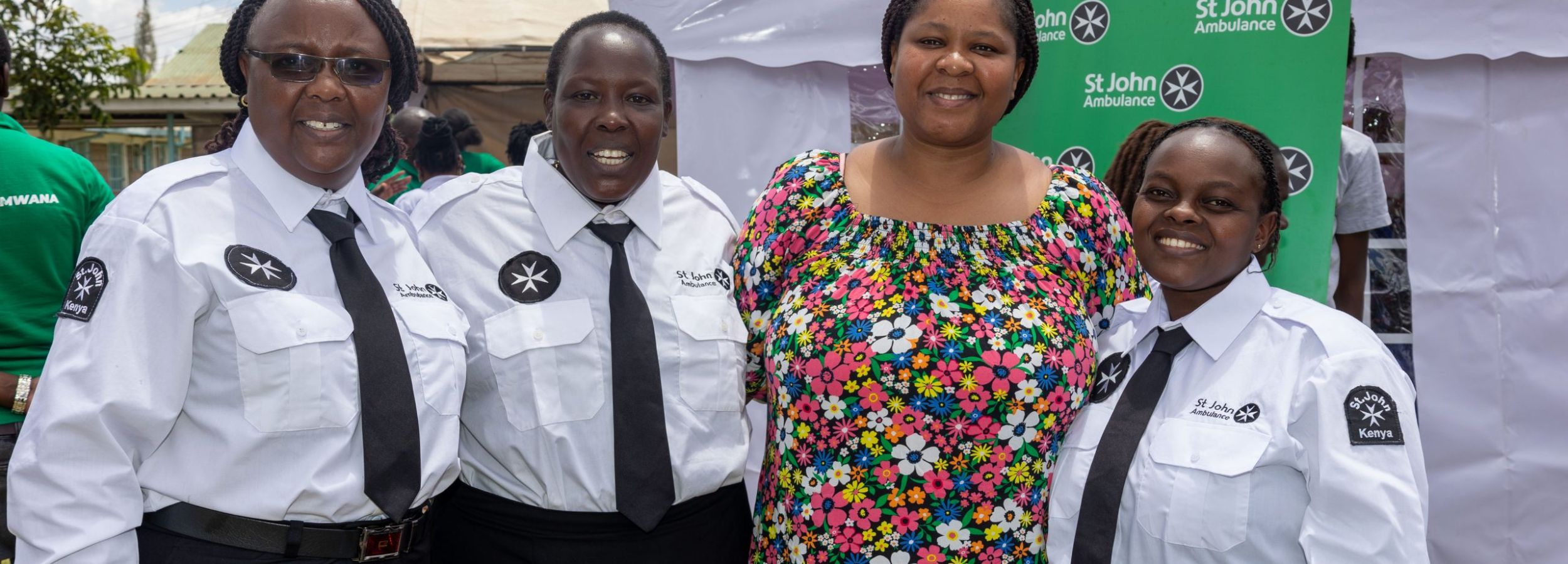
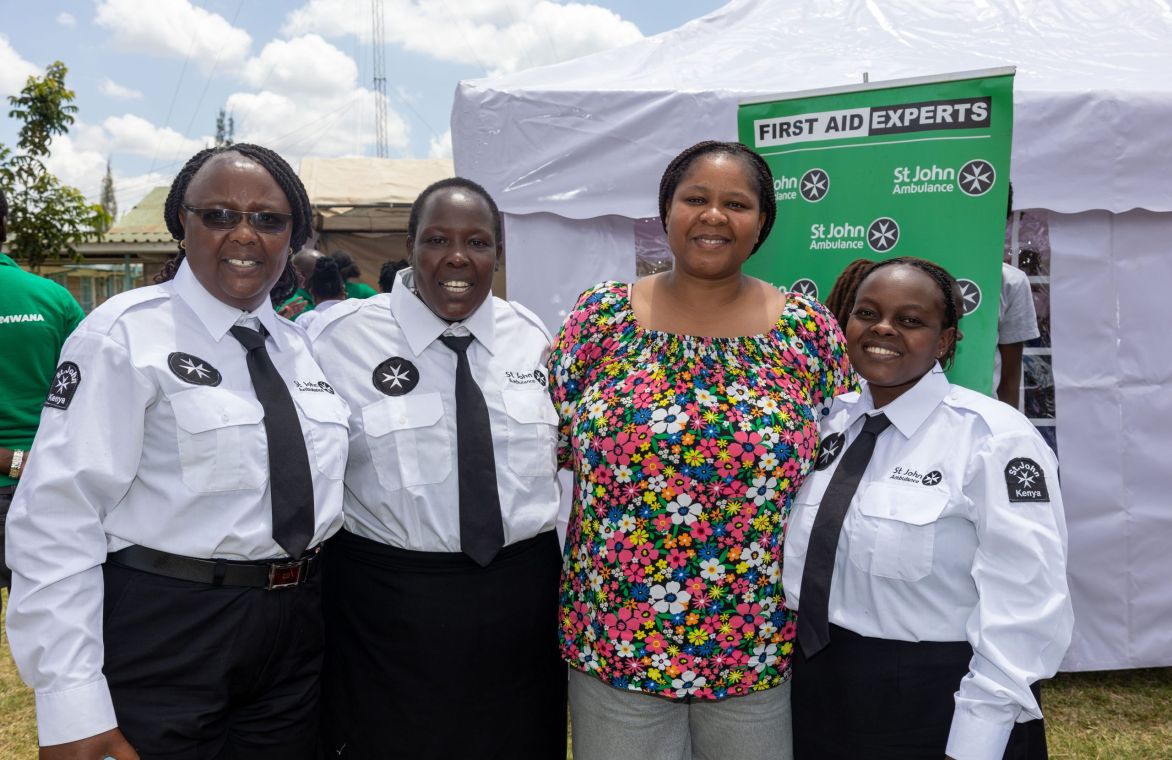
This International Women’s Day, we celebrate the women, volunteers, and staff who are transforming maternal and child health. Today, we share the story of Sylvia Chopamba, the Mother and Baby Programme Manager based at the St John International office, whose work demonstrates how quality care can reach every woman, no matter where she lives.
“I still remember my first field visit to Blantyre, Malawi, in 2015,” Sylvia recalls. She visited one of the programme locations and encountered a difficult reality: pregnant women and mothers with young infants were being turned away from the nearest health centre. The centre simply did not provide all the services women needed, from health education and antenatal care to postnatal follow-up. Even basic equipment, such as weighing scales and blood pressure machines, was missing.
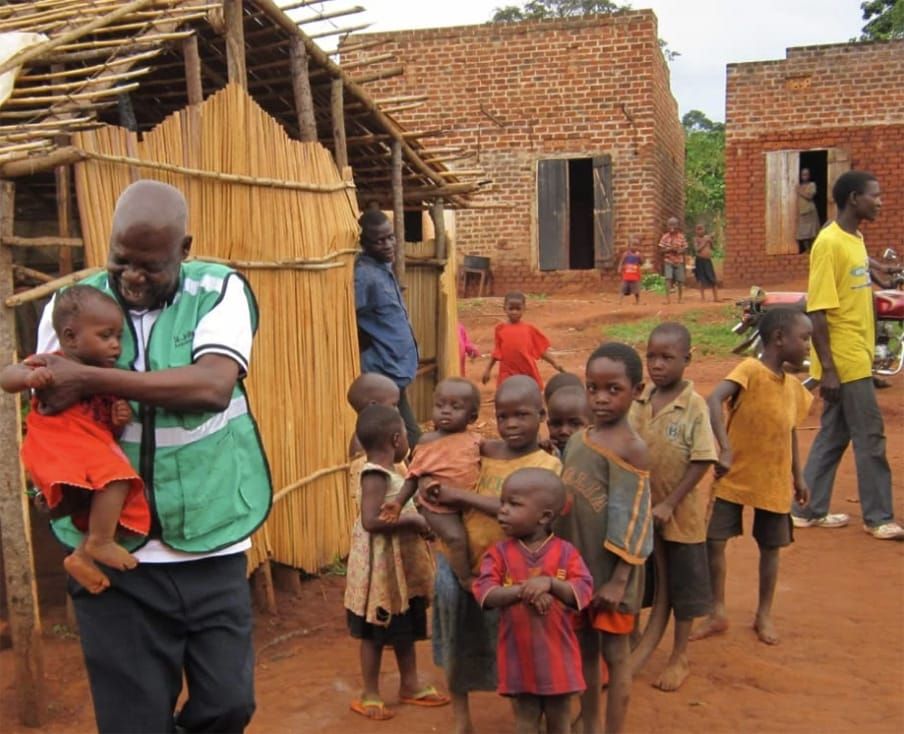
And yet, despite these challenges, volunteers were going door to door, teaching, guiding, and supporting pregnant women and new mothers. They explained the importance of antenatal care and helped women recognise danger signs during pregnancy, delivery, and after birth. Sylvia says, “What stood out most was the care, patience, and deep sense of responsibility shown by both volunteers and staff. That moment has stayed with me.”
Since 2015, Sylvia has worked across multiple countries, including Malawi, Uganda, Zambia, Zimbabwe, and most recently Kenya, alongside dedicated volunteers and thousands of mothers. She has witnessed joy and fear, resilience and heartbreak. And everywhere she went, one question followed her:
“How do we make sure every woman receives the same quality of teaching and care, no matter where she lives and no matter who supports her?”
In maternal health, inequality shows up fast. In remote communities, a missed referral, a misunderstood symptom, or a delayed visit can mean the difference between life and death. Sylvia explains, “Quality cannot be optional. It cannot depend on geography. It has to be built into the system.”
That is why the Mother and Baby Success Model was developed. Born from years of listening to staff, volunteers, mothers, health workers, and communities, it documents what works, learns from what doesn’t, and turns collective experience in maternal, newborn, and child health into practical guidance. The result is a clear, step-by-step guide for operational staff with dedicated sections for volunteers.
From the very first home visit to postnatal follow-up, every volunteer now follows the same core procedures. They use the same monitoring tools, ensuring that no woman’s story is ever lost.
But guidance alone is not enough. Quality comes from learning. That is why the programme created the Nurture system, a performance and learning platform. Sylvia describes it as the programme’s heartbeat: it shows what is happening in real time, what is working well, and where improvements are needed.
Learning is also shared between communities. In Zimbabwe, volunteers from different locations regularly exchange experiences and ideas, allowing effective practices to spread across the programme.
The Mother and Baby Programme deliver quality at scale by combining a strong Success Model, a robust performance and learning system, and a culture of shared learning. Today, the programme works across Malawi, Uganda, Zambia, Zimbabwe, and Kenya, with preparations underway to expand into Ghana.
Sylvia’s role extends across all programme regions. She manages the Mother and Baby Programme in these countries and has been with the programme since its launch. Central to the programme’s operations, she helps ensure that communities receive consistent, high-quality maternal and child health support. Under her management, thousands of mothers, families, and volunteers have benefited from health education, skilled care, and postnatal follow-up, contributing to stronger maternal and child health outcomes across the region.
As we celebrate International Women’s Day, we honour Sylvia and the many women, volunteers, and staff who are working tirelessly through the Mother and Baby Programme to improve maternal and child health.
These experiences also reflect the insights from our research on early antenatal care in Malawi, Zambia, and Uganda, which explored why many women miss care during the first 12 weeks of pregnancy. The study identified barriers such as distance, cost, social pressures, and lack of information, and highlighted how structured programmes like the Mother and Baby Programme can provide timely support, guidance, and quality care. Read the report here.
Throughout this week, we have been sharing inspiring journeys of women who are making informed choices, supporting their communities, and transforming the health and wellbeing of families. Each story highlights the power of knowledge, dedication, and action through the Mother and Baby Programme to create lasting change.