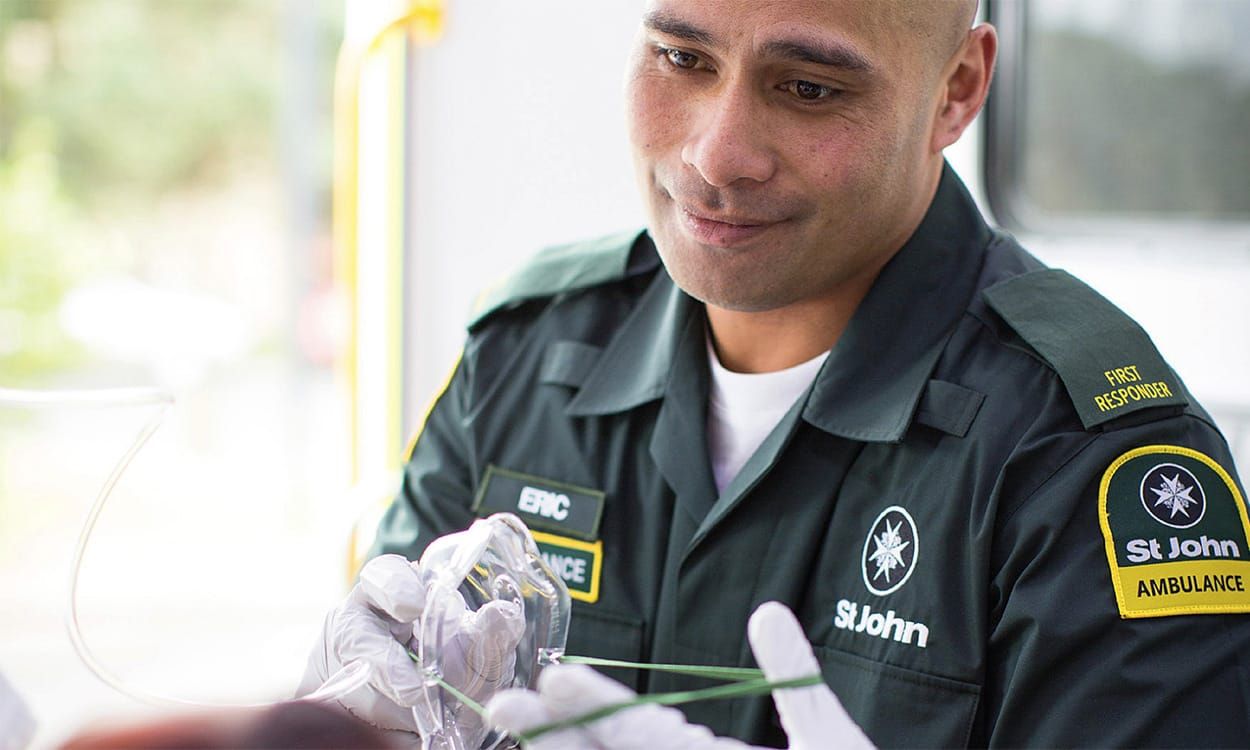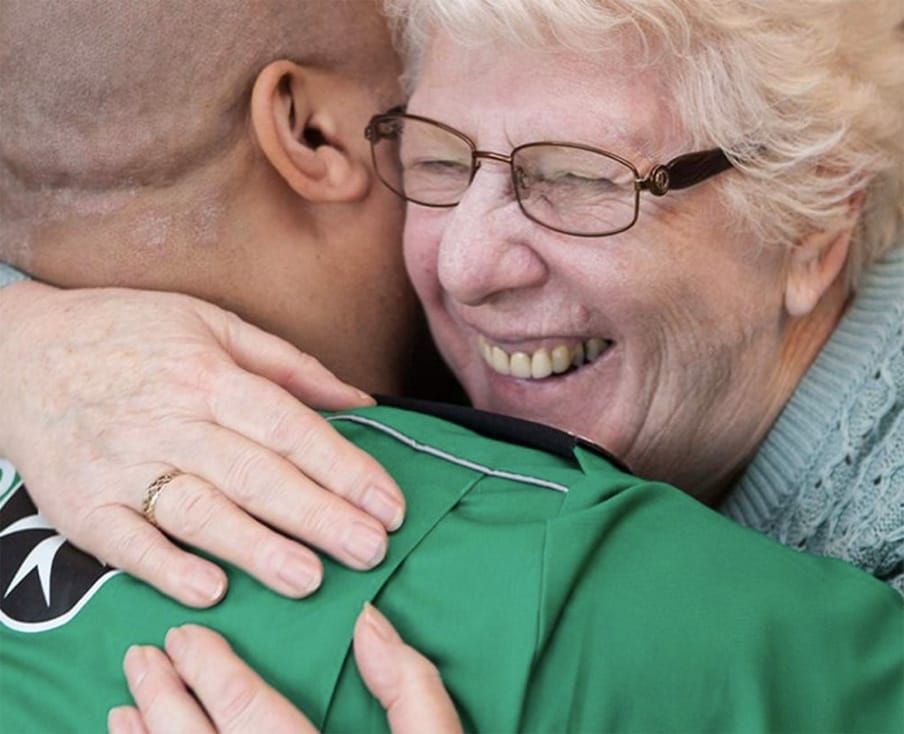
St John WA is taking a range of approaches to supporting the mental health and wellbeing of its frontline teams, from early intervention and professional psychological support to innovative initiatives designed to provide comfort and connection.
PAWS: Early Intervention Strengthening Wellbeing
St John WA’s Psychology and Wellbeing Services (PAWS) has been recognised for its innovative approach to supporting the mental health and wellbeing of ambulance teams, receiving a 2026 Council of Ambulance Authorities (CAA) Excellence Award.
Over the past 18 months, PAWS has undergone a significant redesign to create a modern, evidence based and values driven mental health service tailored to the complex needs of St John WA’s diverse workforce.
With more than 8,000 career and volunteer members working across a geographically vast state, St John WA recognised that traditional reactive support models were not enough.
The redesigned PAWS service places greater emphasis on prevention, early detection and managing psychosocial risks across the organisation, in line with Western Australia’s Work Health and Safety legislation.
A key focus has been improving access to support, particularly for team members working in regional and remote areas.
Dedicated regional Wellbeing Coordinators have been introduced, while External Assistance Provider (EAP) services have been expanded statewide. There has also been greater uptake of the 24 hour Wellbeing Phone Line, providing workers and their families with timely and confidential support when they need it.
PAWS has also strengthened its approach to identifying cumulative trauma exposure among frontline teams. Improved data integration allows emerging concerns to be identified earlier, enabling more targeted intervention and reducing reliance on crisis driven responses.
The changes represent a broader shift towards prevention and early intervention, helping St John WA provide more accessible and proactive wellbeing support across its workforce.
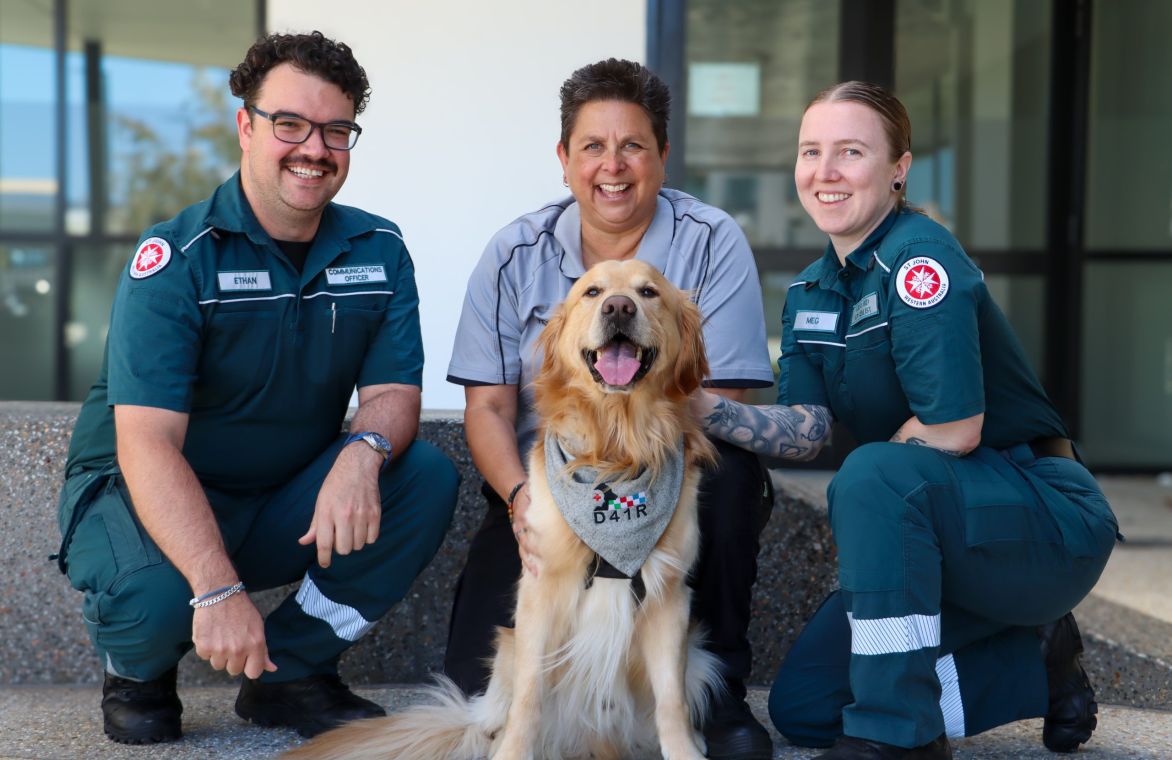
Dogs 4 First Responders: Support with Four Paws
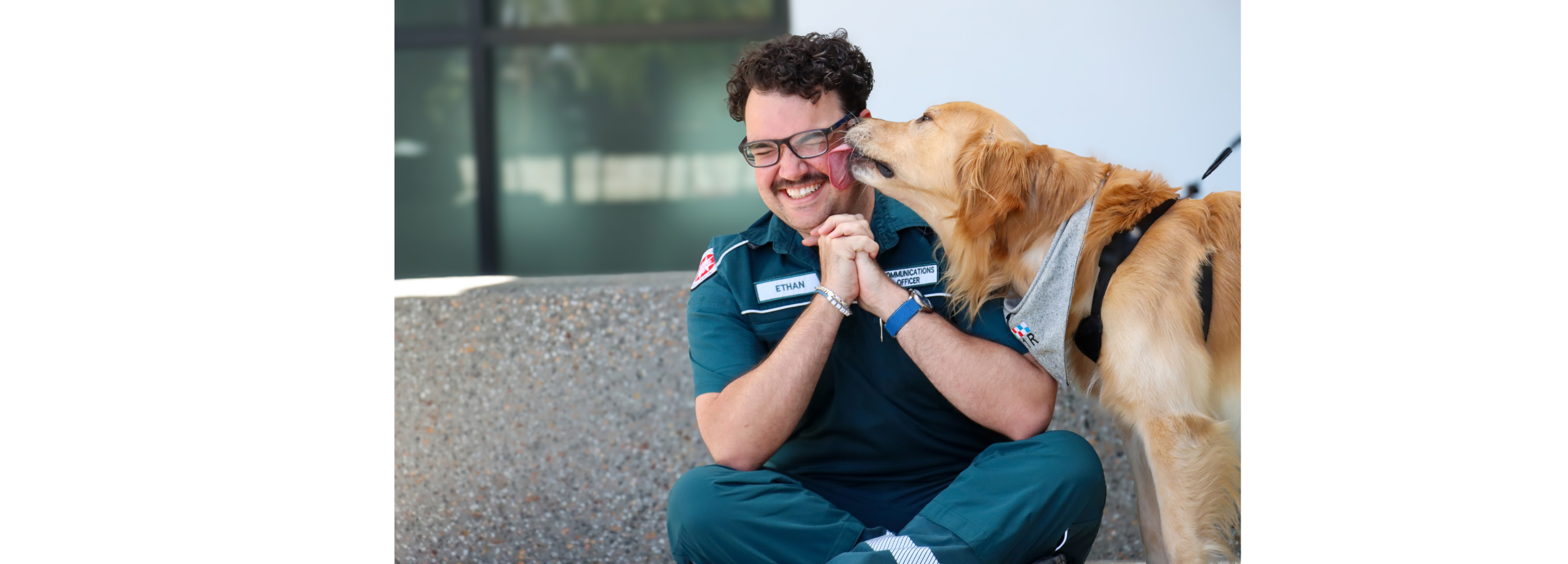
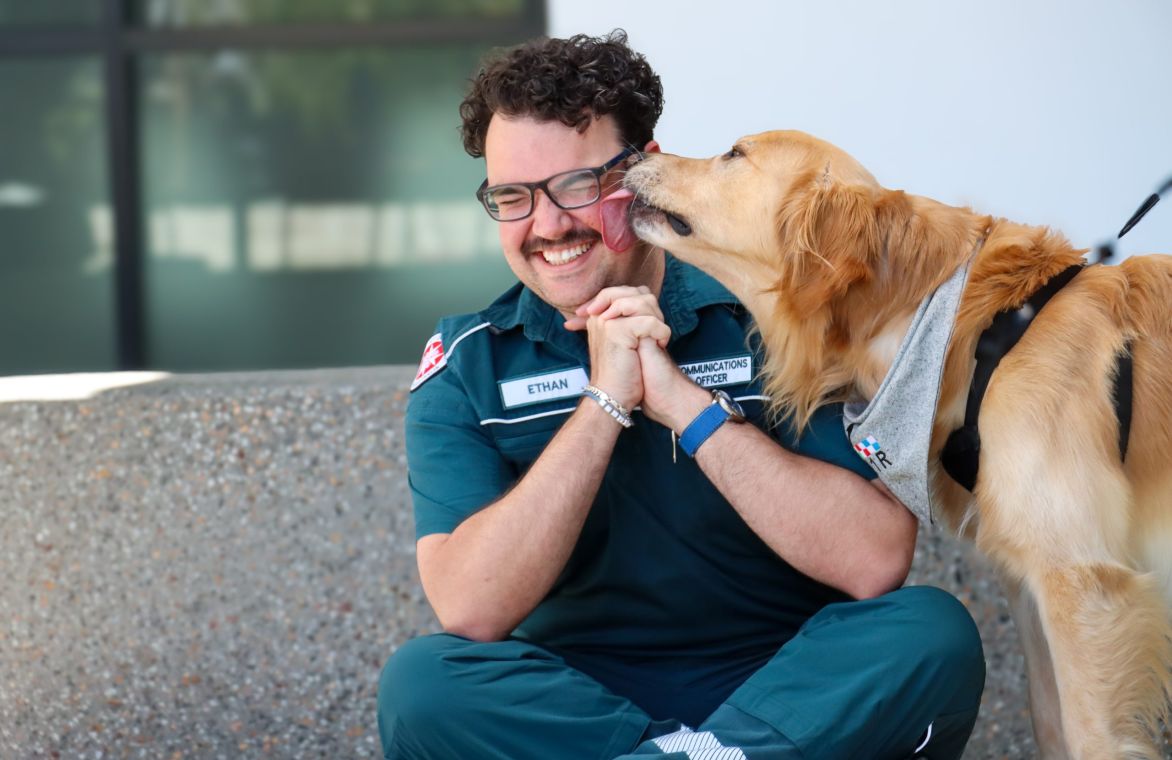
Alongside its formal wellbeing services, St John WA is also exploring different ways to support frontline workers through connection and companionship. One of those initiatives is Dogs 4 First Responders, led by former paramedic Karen ‘Hoppa’ Hollings and her five year old golden retriever, Angus.
Through the program, Angus provides emotional support to ambulance crews and hospital staff who regularly face high pressure and traumatic situations. Recently, Angus visited emergency department teams at Rockingham Hospital following the sudden death of a much loved nurse, offering comfort to staff during an extremely difficult time.
The programme is deeply personal for Hoppa. Eleven years ago, she developed post traumatic stress disorder (PTSD) after being assaulted by a patient while on duty. The incident left her seriously injured and uncertain whether she would ever return to work.
During her recovery, Hoppa found support through her doctor’s therapy dog, which helped her both physically and emotionally. “In the midst of anger and shame while coming to terms with PTSD, I would find moments of happiness just driving to pick up the dog,” she said.
Her experience showed Hoppa the powerful effect dogs can have on people experiencing difficult times. “I’ve seen first hand how a dog’s presence can break down barriers, spark conversation, and bring people together.”

The idea for Dogs 4 First Responders was also inspired by a photograph from the aftermath of the September 11 attacks, showing a first responder sharing a quiet moment with her dog amid the devastation. “Even surrounded by chaos, that small moment of connection stood out,” Hoppa said.
Since launching the program, Hoppa has been joined by four other dogs, Oscar, Mabel, Luther and Koda, and their experienced handlers. Each handler has at least 15 years of frontline service and is trained in mental health first aid. Together, they provide colleagues with a safe and understanding environment where they can talk about their experiences and emotions.
St John WA Clinical Psychologist Janice Wong said therapy dogs could provide an important complement to broader wellbeing services. “Research shows that dogs can sense human emotions, and their presence can reduce stress hormones like cortisol and adrenaline,” she said.
For first responders, opening up about difficult experiences can sometimes be challenging. Wong said interacting with therapy dogs could help make those conversations more comfortable and less intimidating.
St John WA Group Chief Executive Kevin Brown said providing frontline workers with opportunities to debrief and access support was essential following difficult and confronting jobs. “After difficult and confronting jobs, having the opportunity to debrief in a safe environment is essential,” he said. “Programmes like this play a vital role in ensuring the ongoing wellbeing of our frontline teams.”

While PAWS and Dogs 4 First Responders are separate initiatives, both reflect St John WA’s broader commitment to supporting the people who care for the community.
From professional psychological services and early intervention to the simple comfort of spending time with a therapy dog, the focus is on ensuring frontline workers have access to the right support when they need it.