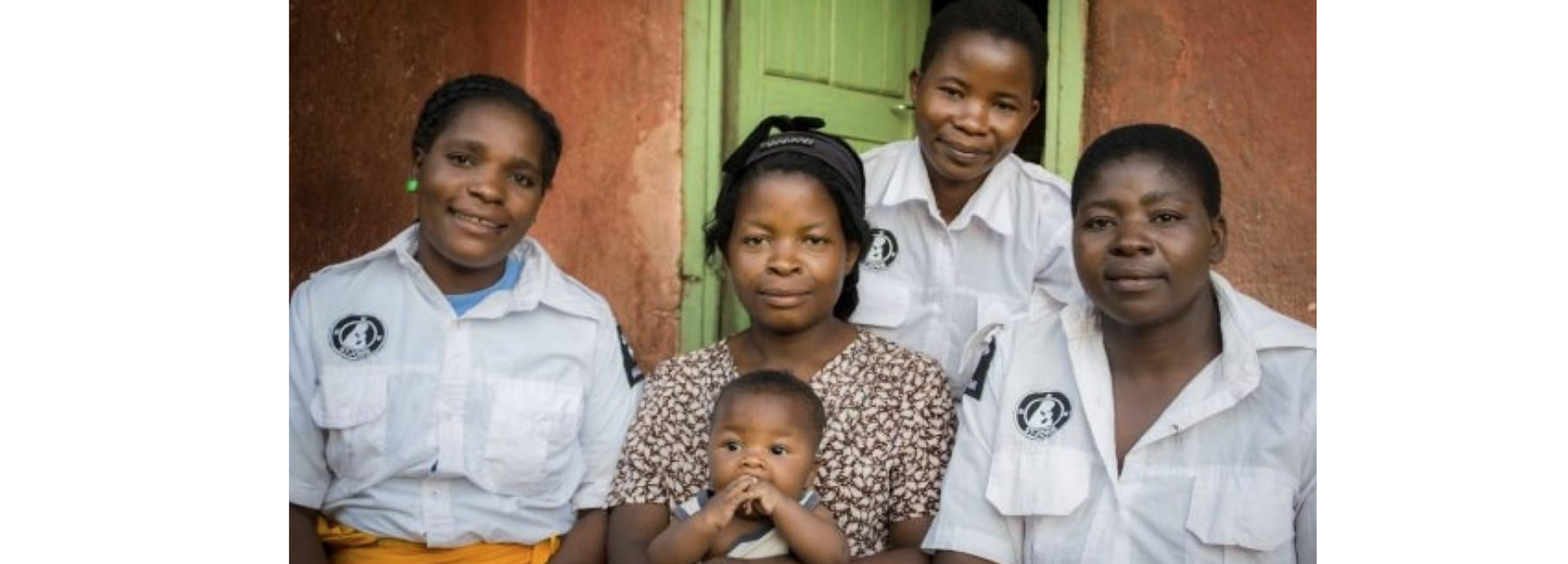
St John International’s Mother and Baby Programme has reached a major milestone, supporting 200,000 women, its direct beneficiaries, including pregnant women and new mothers, since it launched in 2014.
For more than a decade, the programme has provided vital support to women, mothers and families, helping to improve health outcomes for mothers and their babies.
Reaching 200,000 women is a significant achievement for the programme and everyone who has contributed to its success. From volunteers and staff delivering the programme on the ground to the women and communities who have taken part, this milestone represents the collective impact of the work carried out over the years.
The Mama Na Mwana / Mother and Baby Programme was launched by St John International in Malawi, Uganda, Zambia and Zimbabwe in November 2014, with St John Kenya joining in 2025 and St John Ambulance Ghana joining in August 2026.
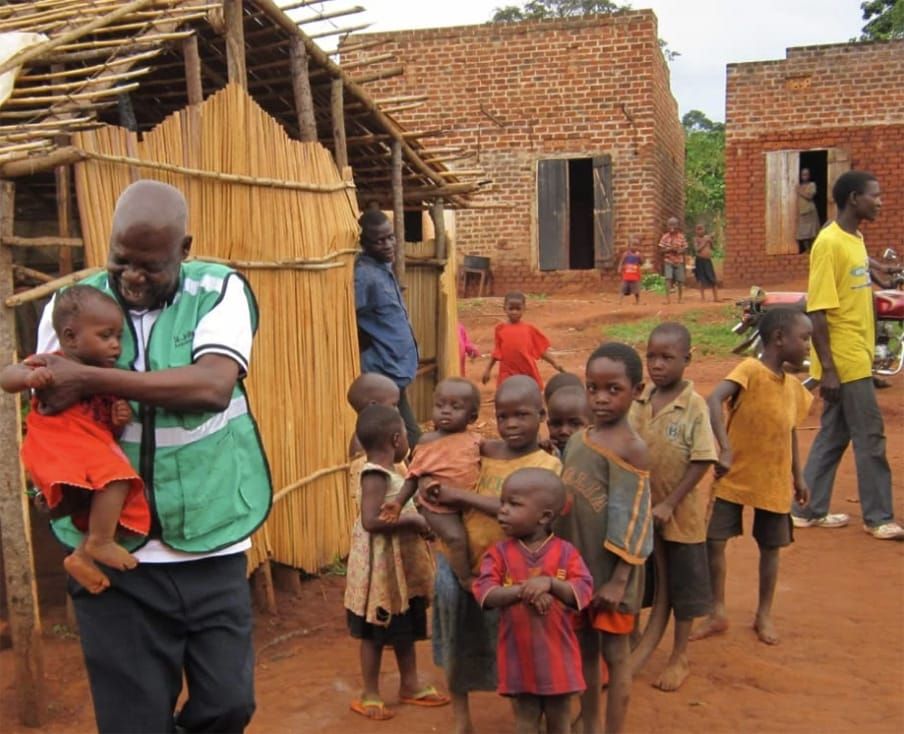
Over the past decade, the programme has built experience in working with communities to improve maternal and newborn health through education, mobilisation and referral. Across each country, the programme is adapted to the needs, priorities and circumstances of local communities.
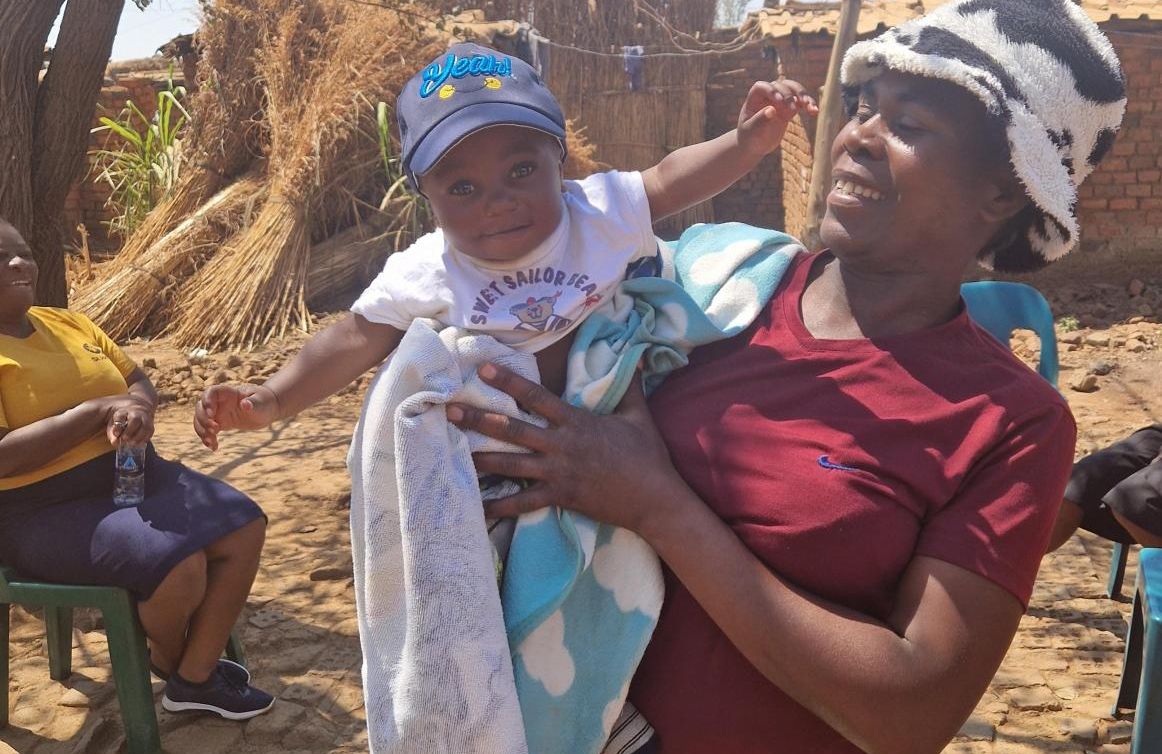
Over the past decade, more than a quarter of a million people have engaged with the programme. Its reach and participation have grown significantly, demonstrating the increasing importance of community-based approaches to maternal and newborn health.
The programme has seen:
- Six times as many women are now reached each year compared with 10 years ago.
- Seven times as many men now take part each year compared with 10 years ago.
- The proportion of women attending at least two antenatal care (ANC) visits has more than doubled, from 39% to 83%. Malawi has seen particularly strong progress, with Blantyre increasing from 34% to 86% and Lilongwe from 61% to 90%.
- The proportion of women attending at least four ANC visits has increased from 21% to 56%.
- The percentage of women delivering in a health facility has increased from 74% to 94%.
- Partner involvement has almost doubled, increasing from 36% to 68%. Uganda has seen exceptional progress, with partner involvement increasing from 48% to 98%.
These figures demonstrate the lasting impact of the programme in supporting women and families to access health information, services and care, while encouraging greater involvement from partners and communities.
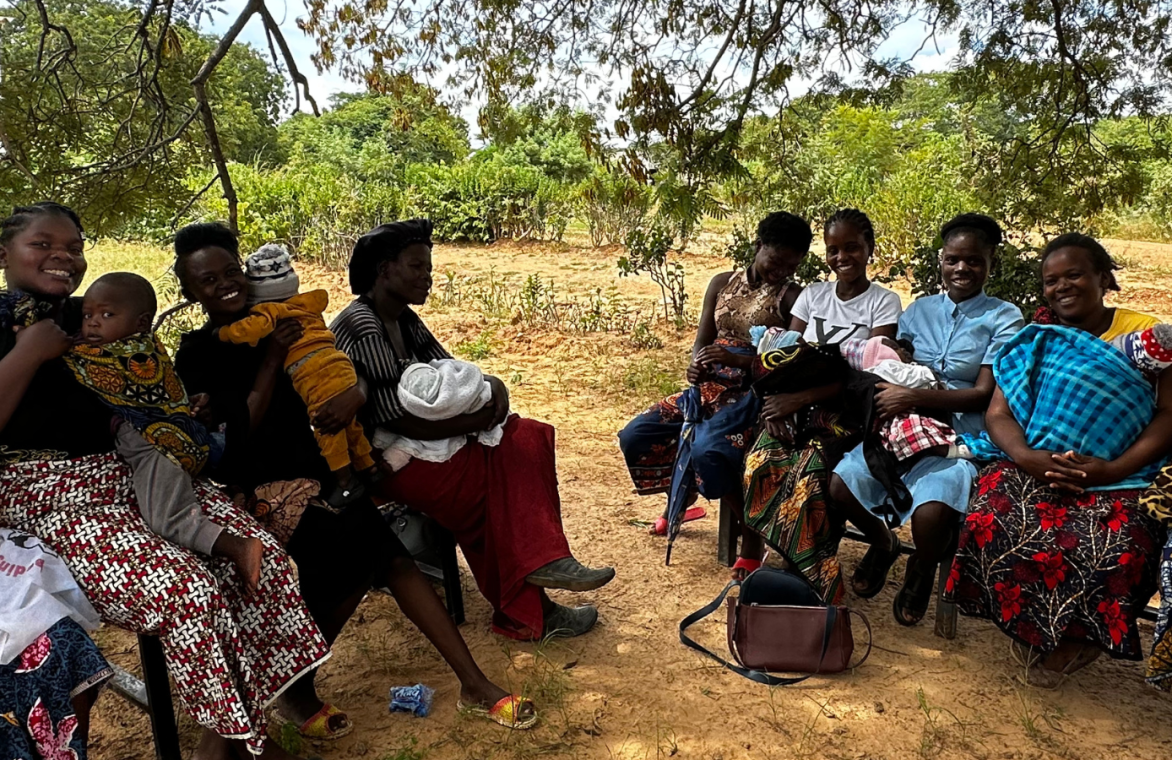
The impact of the programme can be seen in the experiences of women and communities across the countries where St John works.
Grace, a mother of seven in Uganda, described how the Mother and Baby programme changed her confidence around pregnancy and childbirth:
“The Mother and Baby Programme gave me confidence to make my own health decisions, breaking free from the limitations of my past. What I came to learn from the Mother and Baby Programme are important things I never imagined or thought of in my life.”
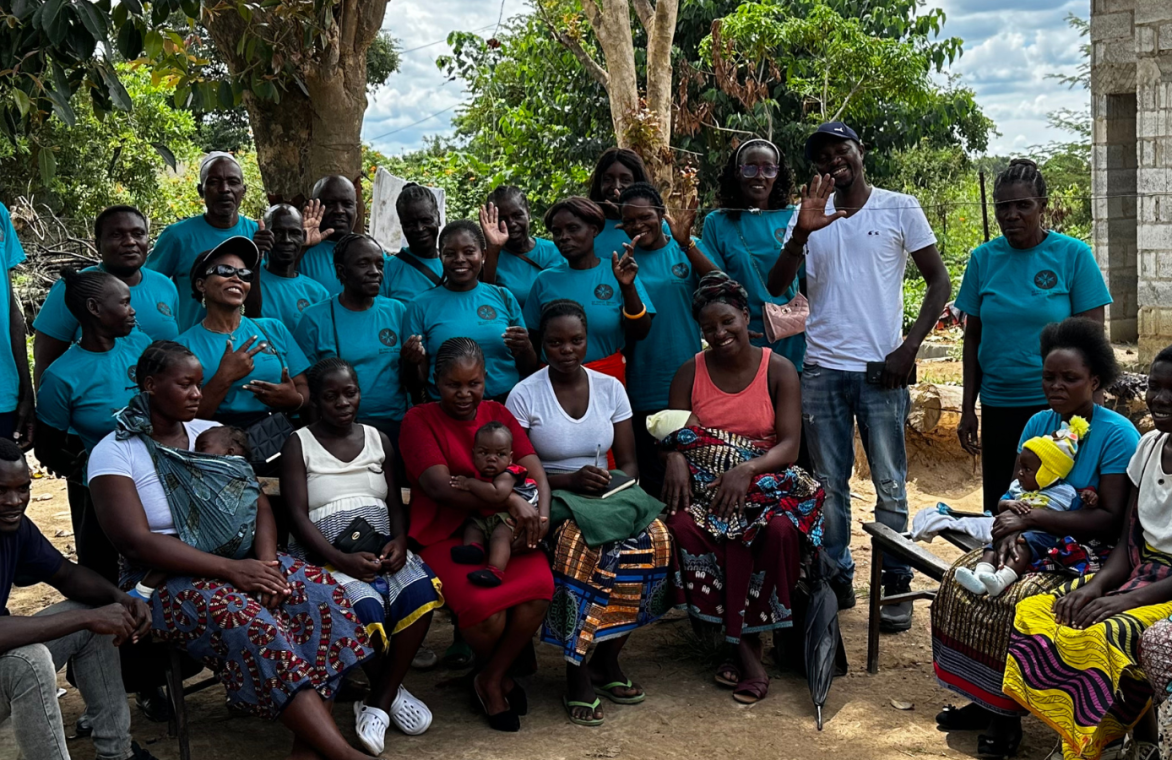
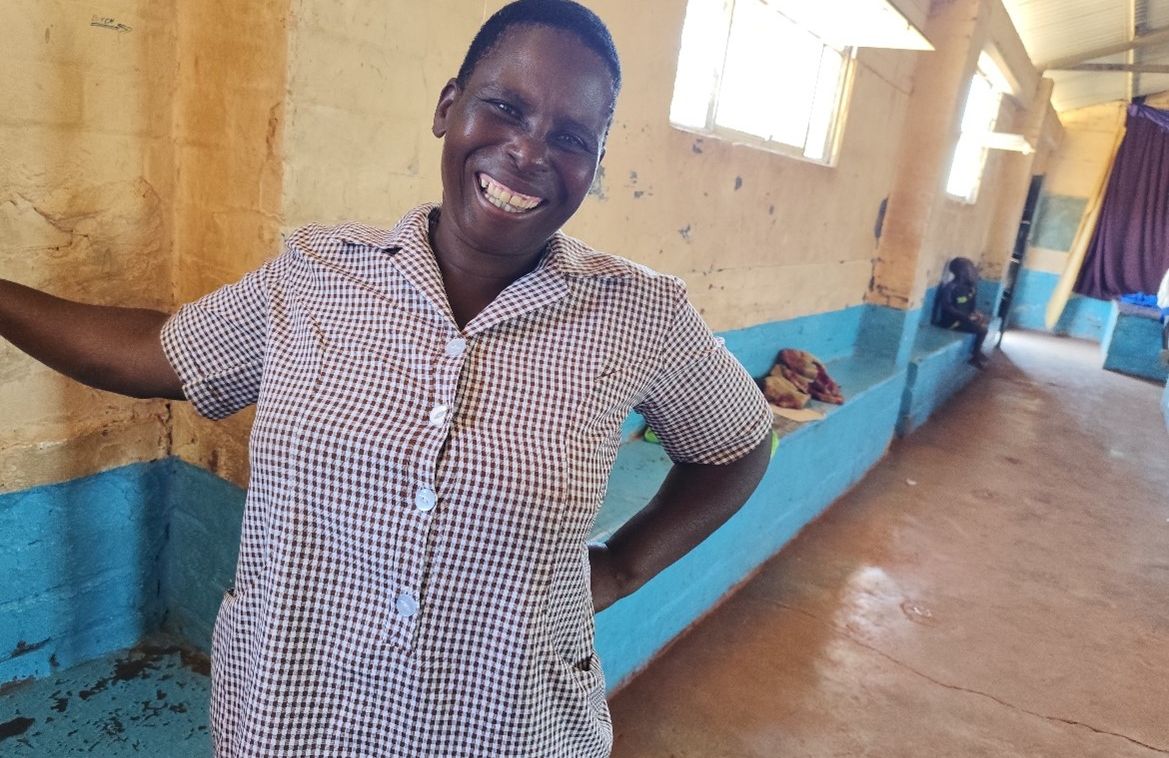
In Zimbabwe, Village Health Worker and St John volunteer Chipo also saw first-hand how community knowledge can help save lives. After being alerted to a sick baby, she recognised signs of severe dehydration, advised the family to seek urgent medical attention and helped connect the baby to the care she needed.
“This experience made me proud and encouraged, especially seeing that even children in the community are now able to recognise Village Health Workers as people they can trust and run to in times of danger. It reaffirmed the importance of our presence and role in saving lives within the community.”
Together, these stories show that the Mother and Baby Programme is about more than numbers. It is about giving women the knowledge and confidence to make informed decisions, while strengthening communities to recognise health risks and connect families with the care they need.
Reaching 200,000 women is an important milestone for St John International and a moment to celebrate everyone who has helped make the programme possible.
This milestone is not just a number, it represents 200,000 women reached, supported and connected to a programme helping mothers and babies have a healthier start.