As we approach International Women’s Day on 8 March, all week we have been shining a light on the journeys of women who are making informed choices about their health and the wellbeing of their families.
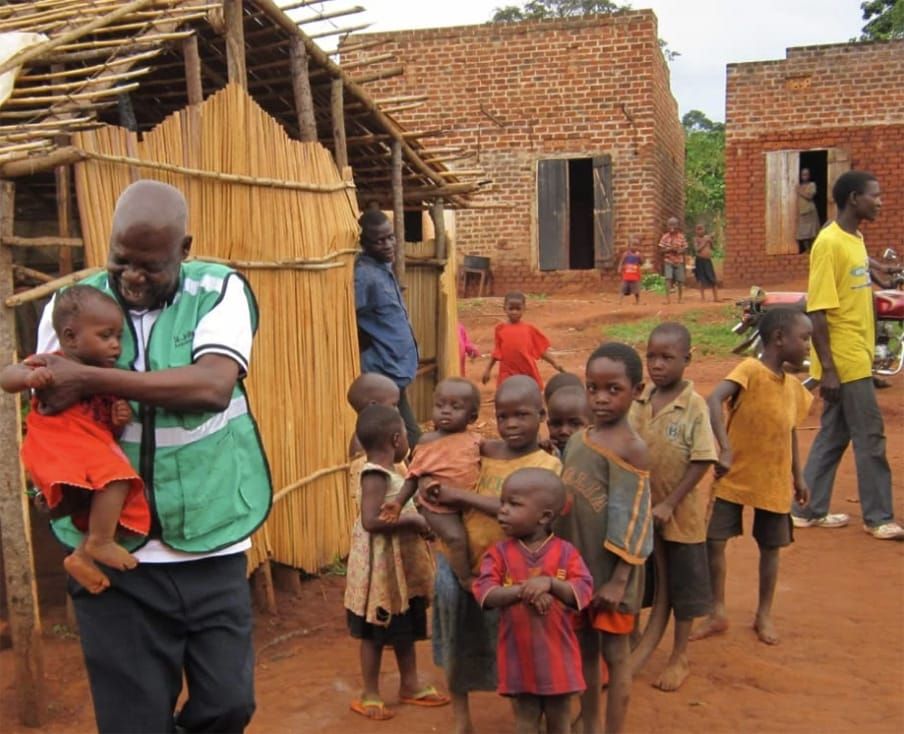
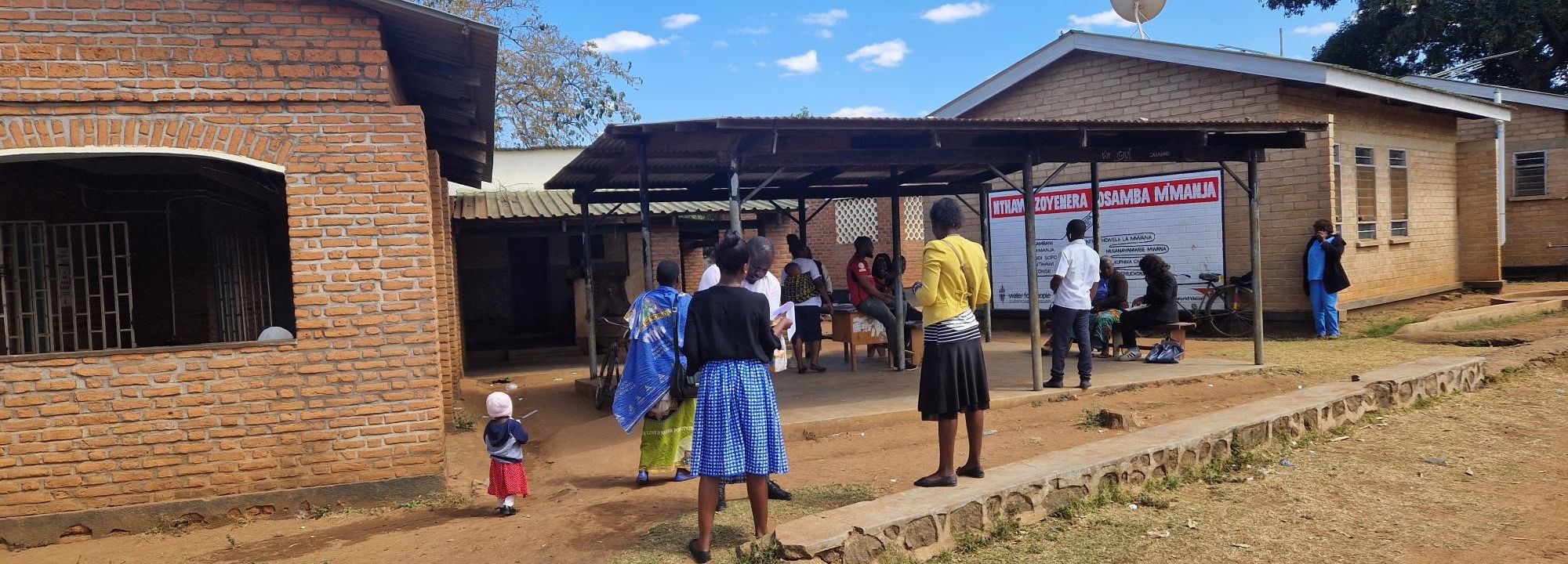
Across Uganda, Kenya, Zimbabwe, Zambia, and Malawi, the Mother and Baby Programme is equipping women with vital knowledge and support for maternal and child health. The programme promotes early and regular antenatal care (ANC), skilled health facility deliveries, immunisation, proper nutrition, exclusive breastfeeding, and informed decision-making. Through guidance and community engagement, women are gaining the confidence to take control of their health and that of their children.
Anita, from Malawi enrolled into the Mother and Baby Programme at four months into her fifth pregnancy.
“I am pregnant again, but I am afraid to start antenatal care,” she told volunteers during a routine home visit. “I haven’t started antenatal care because I am afraid the nurses will shout at me, and I feel embarrassed,” she explained.
With four children already and an unstable household income, Anita was considered a high-risk mother who required careful monitoring. Volunteers provided immediate support, encouraging her to remain positive and start antenatal care at the hospital to monitor her pregnancy.
During home visits, volunteers combined health education with personalised guidance. They discussed the importance of antenatal visits, taking supplements, recognising danger signs in pregnancy, and planning for hospital delivery. Since she already had four children, volunteers also advised her to discuss permanent family planning options with her husband in advance.
“I have always wanted permanent family planning, but I was so afraid. There are so many myths, like sterilisation brings complications or I might lose my husband. I was really scared,” Anita shared.
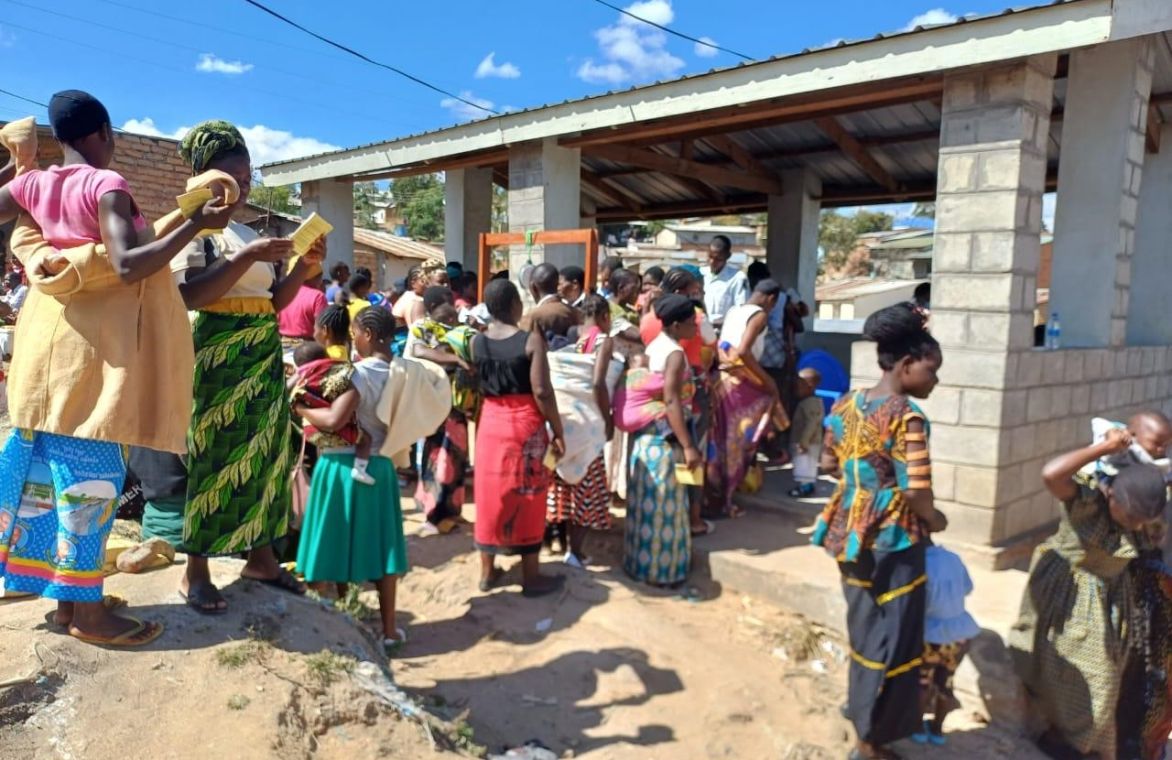
Through counselling and continuous support from volunteers, Anita felt confident to make an informed decision. After delivery, she continued to participate in the programme, receiving follow-up care for her baby, guidance on exclusive breastfeeding, and reminders about her family planning discussion with her husband.
During a routine home visit six weeks later, Anita shared her decision: she had successfully undergone tubal ligation, a safe procedure that provides long-term protection against future pregnancies. “I am so happy I did this procedure. The encouragement and timely advice helped me make the decision. I will encourage other women to consider permanent family planning once they have a complete family. Thank you so much St John volunteers,” she said.
Through the Mother and Baby Programme, women like Anita are empowered to take control of their health and make informed decisions for themselves and their families.
These experiences also reflect the findings of our research on early antenatal care in Malawi, Zambia, and Uganda, which explored why many women miss care in the first 12 weeks of pregnancy and how programmes like the Mother and Baby Programme can help overcome barriers such as distance, cost, social pressures, and lack of information. You can read the report here.
As we celebrate women this International Women’s Day, we also celebrate the volunteers who freely give their time, knowledge, and skills to build healthier and more resilient communities. Continue to follow our series this week as we share more stories of inspiration and empowerment, highlighting the impact of the Mother and Baby Programme.