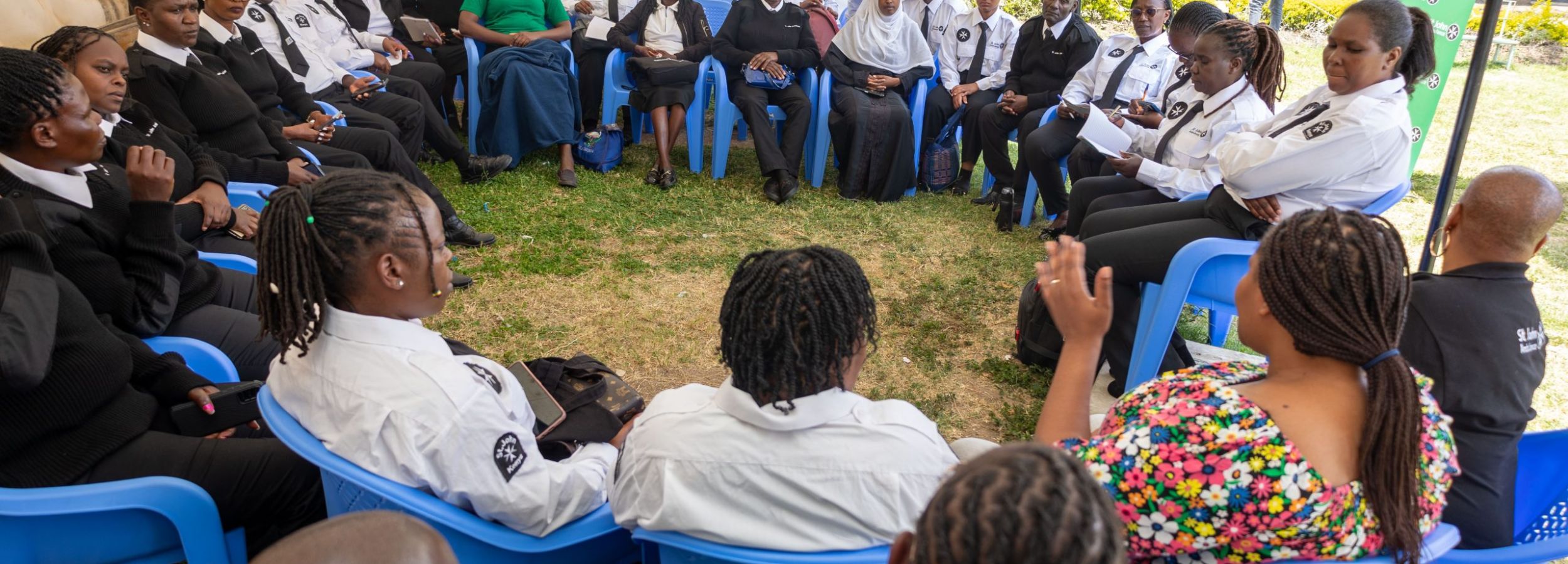
This International Women’s Day, we celebrate the resilience, strength, and achievements of women across Sub-Saharan Africa. In the days leading up to 8th March, we are sharing inspiring stories from women in the Mother and Baby Programme that show how knowledge, support, and timely care are helping mothers take charge of their health and the wellbeing of their children.
Across Uganda, Kenya, Zimbabwe, Zambia, and Malawi, the Mother and Baby Programme is helping families access vital information and support for maternal and child health. The programme promotes early and regular antenatal care (ANC), skilled health facility deliveries, immunisation, proper nutrition, exclusive breastfeeding, and informed decision-making. Through community engagement and health education, women are gaining the confidence to make decisions that protect both their own health and that of their children.
Video
We’re excited to introduce Elizabeth, Programme Lead from the Mother and Baby Programme in Kenya. Watch her video to learn more about her inspiring work and how the programme is transforming maternal and child health in communities across the country.
Brenda and Kristabel
In Kenya, Brenda had not started antenatal care early in her previous pregnancies. Like many women in her community, she only sought care when unwell.
Through the Mother and Baby Programme, Brenda began attending clinic early. Community Health Promoters visited her at home, encouraged regular clinic visits, and monitored her progress. “When I went into labour one night, I delivered safely under the care of trained health workers. I believe this support saved my life,” she recalls.
Kristabel also from Kenya is on a similar journey. A mother of one and currently five months pregnant, Kristabel continues attending clinic consistently. “In my first pregnancy, I delivered at home. This time, I am confident I will deliver in a health facility,” she says.
Their stories reflect a broader transformation in local Health Centre in Kajiado North. For years, the facility lacked an ultrasound machine, forcing mothers to seek costly scans in private facilities. Today, with the introduction of a portable Point of Care Ultrasound (POCUS) machine, clinicians can perform bedside scans, enable early detection of complications and reduce unnecessary referrals.
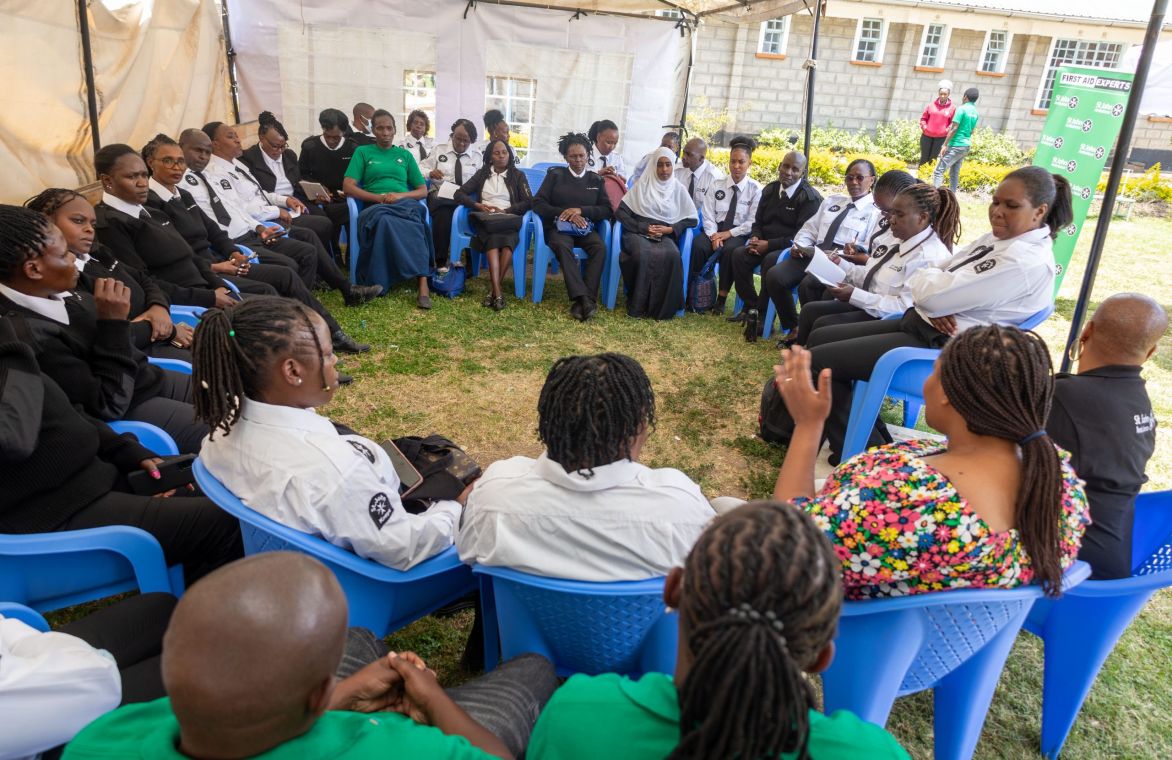
Government guidelines recommend at least two ultrasound scans during pregnancy. Through the programme, mothers also receive delivery packages when they begin antenatal care, a small but powerful incentive that encourages early attendance.
Kenya continues to face high maternal mortality rates. Initiatives like the Mother and Baby Programme are helping bridge critical gaps by strengthening facility capacity, supporting community follow-up, and ensuring expectant mothers receive timely education and care.
Community Health Promoters remain central to this success, visiting mothers at home, encouraging clinic attendance, and linking families to services. The result is clear. More early antenatal visits, more facility-based deliveries, and more mothers like Brenda and Kristabel are receiving lifesaving care when it matters most.
These experiences highlight how the Mother and Baby Programme is making a tangible difference for mothers and babies in Kenya. To better understand the challenges women face, our research in Malawi, Zambia, and Uganda examined why many miss antenatal care during the first 12 weeks of pregnancy, a crucial period for detecting risks and providing early support. The study identified barriers such as distance, cost, social pressures, and lack of information, helping guide programmes to improve timely access and health outcomes. Read the report here.
Follow our series this week as we continue sharing stories of inspiration and empowerment, showcasing the impact of the Mother and Baby Programme.