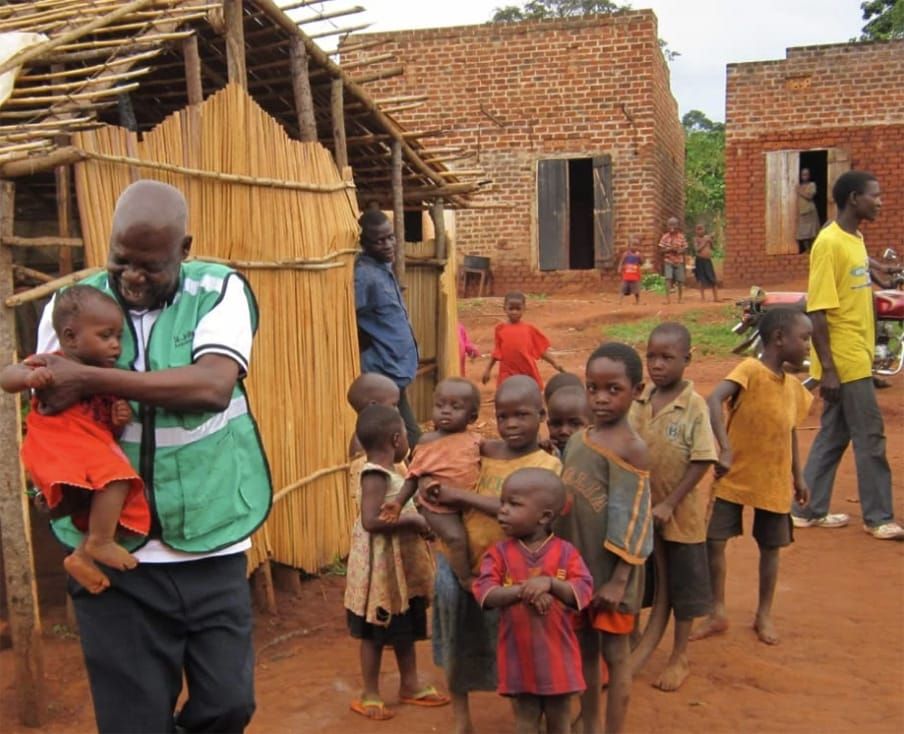
This International Women’s Day, we celebrate the courage, resilience, and impact of women everywhere, not only in their own lives, but also in the lives of others. Across Uganda, Kenya, Zimbabwe, Zambia, and Malawi, women are leading change in their communities through knowledge, care, and action. The Mother and Baby Programme support families with vital information on maternal and child health, promoting early and regular antenatal care (ANC), skilled health facility deliveries, immunisation, proper nutrition, exclusive breastfeeding, and informed decision-making.
Our recent research in Malawi, Zambia, and Uganda explored why many women miss care in the first 12 weeks of pregnancy and how programmes like this can improve early access and outcomes.
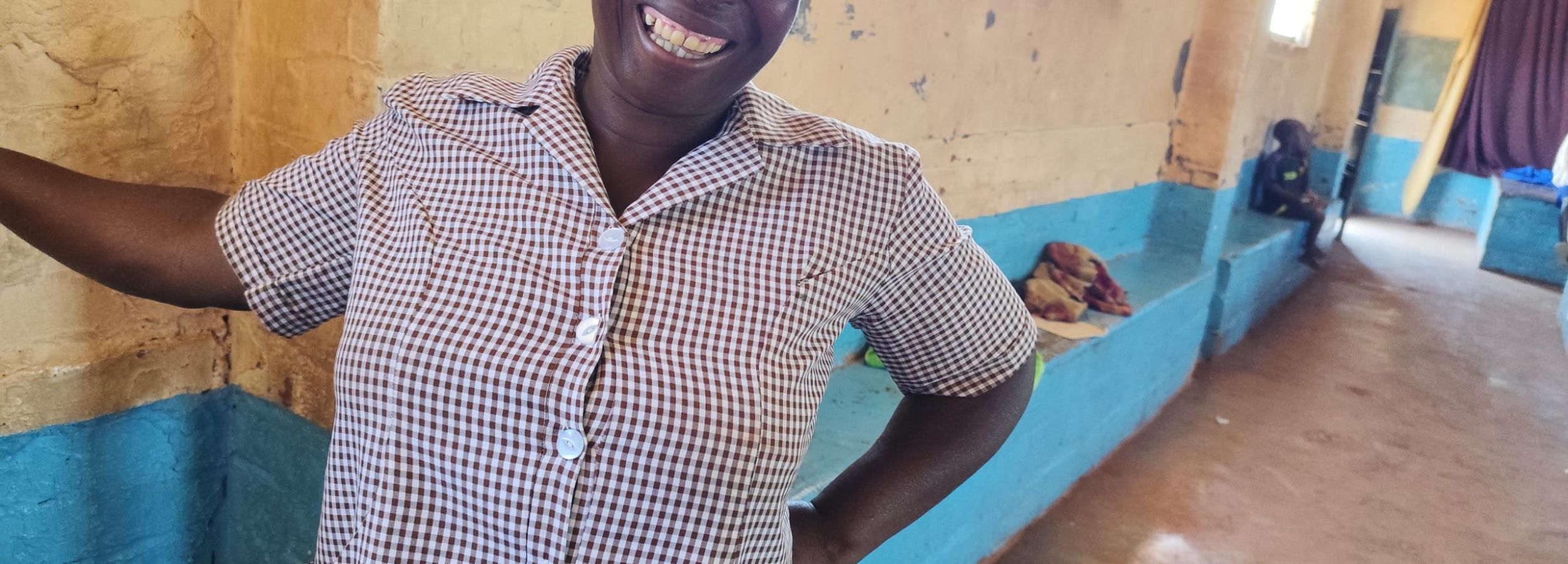
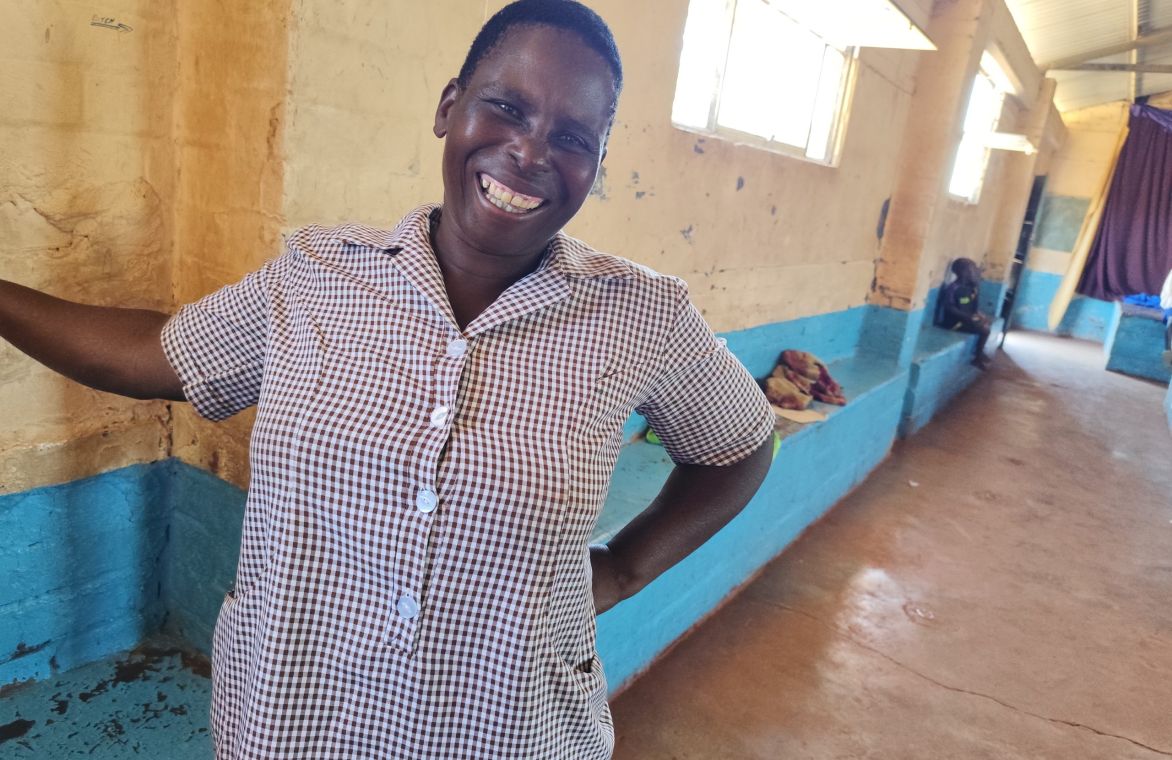
Stories like Chipo’s, a Village Health Worker and volunteer with St John in Zimbabwe, show how trained community members can turn knowledge into life-saving action. Village Health Workers provide basic health education, identify danger signs in children and pregnant women, and support families to access proper medical care.
“One morning, as I was on my way to work in the fields, a small girl of about seven years old came running towards me. She was crying uncontrollably and clung tightly to my legs, refusing to let go. I immediately stopped and tried to calm her,” Chipo recalls.
Through her tears, the girl explained that there was a woman at her home who was hurting a baby. Chipo decided to follow her to the house.
“When we arrived, I found a woman holding a crying baby, while the baby’s mother sat nearby watching helplessly. The young girl pointed at the woman holding the child,” she says.
Chipo greeted everyone and asked what was wrong with the baby. The mother explained that the baby had not been feeling well for the past two days. On closer observation, Chipo noticed that the baby’s fontanel was sunken and the eyes looked white and dry, clear signs of severe dehydration.
“When I gently took the baby to assess her condition, I also noticed sores inside the mouth. I was told that the woman holding the baby had been trying to treat her by rubbing salt on the palate, a traditional practice believed to help sick babies. Unfortunately, this had caused painful wounds in the baby’s mouth and worsened her condition.”
Chipo immediately explained the dangers of the practice and emphasised the urgency of seeking proper medical care.
“I advised the mother to take the baby to the clinic without delay. The family followed this advice, and the baby was referred to the local hospital, where she was admitted and treated for three days.”
Thankfully, the baby recovered well and was discharged in good health.
“The mother was very relieved and grateful. This experience made me proud and encouraged, especially seeing that even children in the community are now able to recognise Village Health Workers as people they can trust and run to in times of danger. It reaffirmed the importance of our presence and role in saving lives within the community,” Chipo says.
Chipo’s story demonstrates the crucial role Village Health Workers play in educating communities, identifying danger signs early, and connecting families to life-saving medical care. It also reflects the findings of our research on early antenatal care in Malawi, Zambia, and Uganda, which highlighted how community support and timely intervention can prevent complications for mothers and babies. You can read the report here.
Keep following our series this week to see how the Mother and Baby Programme is transforming lives, one story at a time.